


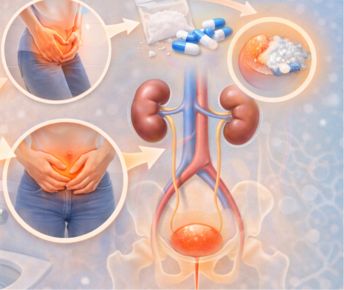



People usually don’t connect urinary pain to drug use right away or recognise early ketamine urinary problems. They assume it’s dehydration, anxiety, a mild infection, maybe stress. Frequent urination gets brushed off as annoying. Burning gets blamed on acidity. Waking up multiple times at night to pee becomes “just a phase.”
With ketamine, that delay in connecting symptoms is exactly how damage progresses.
Urinary problems linked to ketamine are not rare, not exaggerated, and not limited to extreme use. They are one of the most well-documented physical consequences of repeated ketamine exposure, and they often appear long before someone considers themselves addicted.
Ketamine Use and Why It Leads to Urinary Problems
Clinically, ketamine has legitimate uses. Ketamine injection uses include anesthesia, pain management, and in controlled settings, treatment-resistant depression. Ketamine therapy is administered in carefully measured doses, with medical screening and monitoring.
That context matters because recreational use looks nothing like medical use.
Outside clinical settings, ketamine drug exposure is often frequent, unregulated, and cumulative. Dosages are inconsistent. Purity is unknown. And the bladder, unlike the brain, does not tolerate repeated chemical irritation quietly.
Why Ketamine Urinary Problems Affect the Bladder First
Ketamine and its metabolites are excreted through urine. That means the bladder and urinary tract are repeatedly exposed to irritating compounds.
Over time, these substances inflame the bladder lining. This isn’t subtle irritation. It’s chemical injury.
The bladder is designed to stretch, store urine, and contract smoothly. When its lining becomes inflamed, that process breaks down. Signals misfire. Pain increases. Capacity shrinks.
This is where ketamine effects move from invisible to unavoidable.
Symptoms of Ketamine Urinary Problems
The symptoms often start quietly.
People notice:
- frequent urination with small volumes
- urgency that feels disproportionate
- discomfort during or after peeing
As exposure continues, symptoms escalate:
- burning or sharp bladder pain
- pelvic pressure
- blood in urine
- waking repeatedly at night to urinate
- pain that worsens as the bladder fills
These are not generic ketamine side effects. They are signs of bladder injury.
This condition is often referred to clinically as ketamine-induced cystitis. Left unaddressed, it can become severe and chronic.
Why Ketamine Urinary Problems Go Unnoticed
Ketamine is often framed as a “clean” drug. Short-acting. Non-addictive. Easy to compartmentalise. That perception delays accountability.
Urinary symptoms don’t feel dramatic enough at first to justify stopping. People adjust. They plan bathroom access. They tolerate discomfort. This is how ketamine addiction hides in plain sight not through euphoria, but through adaptation.
By the time pain becomes impossible to ignore, damage may already be established.
Can Ketamine Urinary Problems Become Permanent?
Yes.
Repeated inflammation can permanently reduce bladder capacity. Scar tissue can form. Nerve signalling can become distorted. In severe cases, pain persists even after stopping use.
This is why ketamine drug side effects are not limited to short-term discomfort. Long-term urinary dysfunction has been documented in people who used ketamine recreationally over extended periods.
Stopping use early improves outcomes. Continuing despite symptoms dramatically worsens prognosis.
Medical Tests for Ketamine Urinary Problems
People experiencing these symptoms need proper assessment. Not self-diagnosis. Not online reassurance.
Evaluation often includes:
- urine testing to rule out infection
- imaging or cystoscopy in persistent cases
- assessment of bladder capacity and inflammation
Importantly, doctors may not immediately ask about ketamine. Patients often don’t volunteer it. That silence delays accurate diagnosis.
Treatment Options for Ketamine Urinary Problems
Treatment depends on severity.
Early-stage inflammation may improve significantly after stopping ketamine, combined with bladder-protective care and anti-inflammatory strategies.
More advanced cases may require:
- pain management
- bladder instillations
- medications to calm bladder spasms
- long-term urological follow-up
No treatment works if ketamine use continues. This is not negotiable.
Why Stopping Ketamine Is Essential for Urinary Healing
Unlike some organs, the bladder has limited tolerance for repeated injury. Continued exposure keeps the inflammatory cycle active.
This is where addiction psychology intersects with physical damage. People may minimise use, rationalise frequency, or believe switching routes will help. It doesn’t.
Healing requires full cessation. Anything less prolongs injury.
This is also where structured support matters. Ketamine use is often tied to emotional regulation, dissociation, or coping with distress. Addressing those drivers is part of protecting the bladder.
Preventing Ketamine Urinary Problems
People ask how to prevent urinary problems while continuing ketamine use. The honest answer is uncomfortable: you can’t fully.
Hydration helps symptoms slightly but does not prevent injury. Spacing use delays damage but does not eliminate it. There is no safe workaround for repeated bladder exposure.
Prevention means reducing exposure to zero.
FAQs About Ketamine Urinary Problems
- What is ketamine used for?
Medically, it is used as an anesthetic, for pain control, and in supervised settings for treatment-resistant depression. - How does ketamine affect the urinary system?
Ketamine metabolites irritate the bladder lining, causing inflammation, pain, reduced capacity, and urinary urgency. - Can ketamine use lead to long-term urinary problems?
Yes. Chronic use can result in persistent bladder pain, reduced bladder capacity, and long-term dysfunction. - Are there any treatments available for urinary issues caused by ketamine?
Treatment depends on severity and may include medications, bladder therapies, and urological care, but stopping ketamine is essential. - How to prevent urinary problems associated with ketamine use?
The only reliable prevention is avoiding ketamine exposure. Hydration alone does not prevent bladder damage.
How can Samarpan help?
At Samarpan Recovery Centre, we often see people arrive confused and frightened by symptoms like frequent urination, pelvic pain, burning sensations, or blood in the urine, not realising these can be clear warning signs of ketamine-related bladder damage, sometimes called ketamine cystitis. Ketamine irritates and inflames the bladder lining, and with continued use, this pain can become chronic, severely affecting sleep, work, and quality of life.
Many people initially treat it as a simple UTI or ignore it out of embarrassment, which allows the damage to worsen. At Samarpan, we take these symptoms seriously from day one. Our approach focuses first on stopping further harm through medically supervised detox, because bladder healing is impossible while ketamine use continues.
Alongside medical care and referrals to urology specialists when needed, we work intensively on the psychological drivers behind ketamine use through evidence-based therapies like CBT and DBT, trauma-informed counselling, and long-term relapse prevention planning. Recovery here is not just about quitting a drug, but about helping the body stabilise, reducing ongoing pain, and giving clients the tools to rebuild their health without returning to substances that have already caused real physical harm.