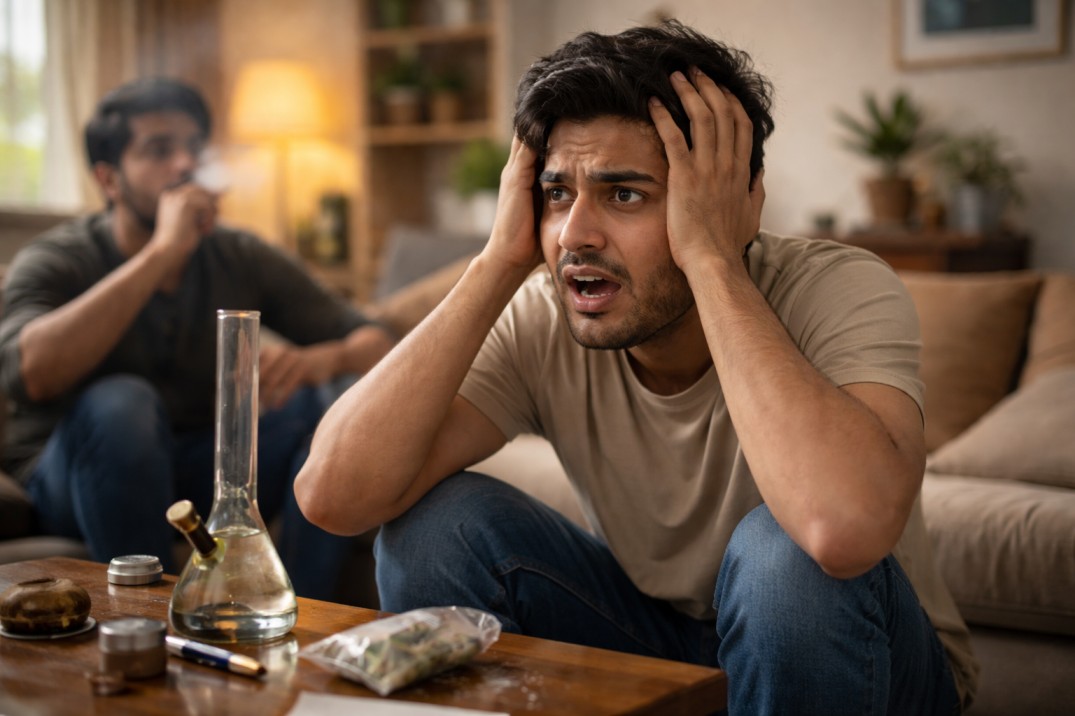






When addiction affects someone you love, finding the right rehabilitation centre can feel overwhelming. Mumbai, as India's largest metropolitan city, offers numerous addiction treatment options, but not all rehab centres are created equal. The decision you make now could shape the trajectory of recovery for years to come.
If you're searching for the best rehab in Mumbai, you're likely navigating a maze of emotions: fear, uncertainty, hope, and urgency. You want answers. You want to know what works, what's safe, and how to choose a place that will truly help, not just treat symptoms, but address the deeper roots of addiction.
This guide will walk you through everything you need to know about rehabs in Mumbai, from understanding what makes a treatment centre effective to recognising the warning signs that require professional intervention. Most importantly, you'll learn how to evaluate options with clarity and confidence.
What Makes Addiction Treatment Effective at Best Rehab in Mumbai?
Addiction is not a moral failing or a lack of willpower. It's a complex condition involving changes to brain chemistry, emotional regulation, and behavioural patterns. Effective treatment at rehab in Mumbai recognises this complexity and addresses the whole person, not just the substance use.
The best rehab programmes understand that addiction often develops as a coping mechanism for unresolved pain, trauma, stress, or mental health struggles. This is why surface-level detoxification alone rarely leads to lasting recovery. Real healing requires understanding why someone turned to substances in the first place, and building healthier ways to manage life's challenges.
Quality addiction treatment combines medical care, psychological therapy, emotional support, and practical life skills. It creates a safe environment where healing can begin, and provides tools that extend far beyond the treatment period itself.
When Does Someone Need Rehab in Mumbai?
Recognising when professional help is necessary can be difficult. Addiction often develops gradually, and denial is a common protective mechanism, both for the person struggling and their loved ones.
Behavioural Warning Signs
- Inability to control or reduce substance use despite repeated attempts
- Continuing to use despite negative consequences (health problems, relationship damage, work issues)
- Spending significant time obtaining, using, or recovering from substances
- Neglecting responsibilities at home, work, or school
- Engaging in risky behaviours while under the influence
- Using substances in dangerous situations (driving, operating machinery)
Emotional and Psychological Indicators
- Using substances to cope with stress, anxiety, or emotional pain
- Mood swings or personality changes
- Increased irritability, aggression, or withdrawal
- Depression or anxiety that worsens without substance use
- Loss of interest in previously enjoyed activities
- Feelings of hopelessness or shame
Physical Signs
- Developing tolerance (needing more to achieve the same effect)
- Experiencing withdrawal symptoms when attempting to stop
- Unexplained weight loss or gain
- Changes in sleep patterns
- Deteriorating physical appearance or hygiene
- Health complications related to substance use
Social and Relational Impact
- Withdrawing from family and friends
- Relationship conflicts or breakdown
- Financial problems or unexplained need for money
- Legal troubles related to substance use
- Isolation and secrecy about activities
If several of these signs are present, professional treatment isn't just helpful, it's often essential for safety and recovery.
Why Addiction Requires the Best Rehab in Mumbai?
Left untreated, addiction escalates in severity and consequence. The brain's reward system becomes increasingly dependent on the substance, making it harder to experience pleasure or cope with stress naturally. This creates a self-reinforcing cycle where using feels like the only option, even as life falls apart.
The Relapse Cycle Without Treatment
Many people attempt to quit on their own, only to relapse repeatedly. This isn't a failure of character, it's the nature of addiction. Without professional support to address underlying causes, develop coping strategies, and manage withdrawal safely, the brain defaults back to familiar patterns during moments of stress or vulnerability.
Each relapse can deepen feelings of shame and hopelessness, making it even harder to seek help. The cycle continues, often with increasing health risks, relationship damage, and loss of opportunities.
Impact on Physical Health
Chronic substance use damages vital organs, weakens the immune system, and increases risk of serious medical conditions including liver disease, heart problems, respiratory issues, and neurological damage. Overdose risk increases with tolerance, and unsafe using practices can lead to infections or other complications.
Mental Health Deterioration
Addiction and mental health conditions often exist together and worsen each other. Anxiety, depression, post-traumatic stress disorder, and other psychological struggles both contribute to addiction and are intensified by it. Without integrated treatment that addresses both conditions simultaneously, full recovery remains out of reach.
Family and Social Consequences
Addiction doesn't exist in isolation. It affects partners, children, parents, friends, and colleagues. Trust breaks down, communication becomes strained, and loved ones often experience their own trauma, anxiety, and burnout from trying to help while watching someone they care about struggle.
Understanding Treatment Options at the Best Rehab in Mumbai
Mumbai offers various levels and types of addiction treatment. Understanding the differences helps you make an informed decision based on individual needs, severity of addiction, and personal circumstances.
Residential (Inpatient) Rehabilitation
Residential treatment involves staying at a facility full-time, typically for 30 to 90 days or longer. This immersive approach removes you from triggering environments and provides round-the-clock support during the vulnerable early stages of recovery.
Residential rehab is often recommended when:
- Addiction is severe or long-standing
- Previous outpatient attempts have been unsuccessful
- The home environment enables or triggers use
- Co-occurring mental health conditions require intensive care
- Safe medical supervision during detox is necessary
The structured environment includes individual therapy, group counselling, medical monitoring, healthy routines, and skill-building activities, all designed to rebuild physical health and psychological resilience.
Outpatient Treatment
Outpatient programmes allow individuals to live at home while attending therapy sessions and treatment activities at scheduled times throughout the week. This option works best for those with:
- Milder addiction or early-stage recovery
- Strong home support systems
- Work or family commitments that cannot be paused
- Successful completion of residential treatment requiring ongoing support
While outpatient care offers more flexibility, it also requires greater personal accountability and exposes individuals to potential triggers in their daily environment.
Detoxification Services
Detox is the process of safely removing substances from the body while managing withdrawal symptoms. Depending on the substance and duration of use, withdrawal can range from uncomfortable to medically dangerous.
Medical detox provides supervision, medication management, and support to ensure safety during this critical phase. However, detox alone is not treatment—it's the first step. Without continued therapy and support, relapse rates after detox-only interventions are extremely high.
Therapy Approaches in Quality Rehabs
Evidence-based therapy forms the foundation of effective treatment. The best rehabs in Mumbai incorporate multiple therapeutic modalities:
Cognitive Behavioural Therapy (CBT) helps identify and change thought patterns that drive addictive behaviours, developing healthier coping mechanisms.
Dialectical Behaviour Therapy (DBT) teaches emotional regulation, distress tolerance, and interpersonal effectiveness—particularly valuable for those with co-occurring mental health conditions.
Trauma therapy addresses underlying traumatic experiences that often contribute to addiction, using approaches like EMDR or trauma-focused CBT.
Motivational interviewing strengthens personal commitment to change by exploring ambivalence and building intrinsic motivation.
Group therapy provides peer support, reduces isolation, and allows individuals to learn from others' experiences while practising new communication skills.
Dual Diagnosis Treatment
Many people struggling with addiction also experience depression, anxiety, PTSD, bipolar disorder, or other mental health conditions. These co-occurring disorders require integrated treatment that addresses both issues simultaneously, treating one while ignoring the other leads to incomplete recovery and increased relapse risk.
Quality rehabs assess for dual diagnosis and provide psychiatric support, medication management when appropriate, and specialised therapy for mental health alongside addiction treatment.
Samarpan is India's only internationally accredited rehab centre for the treatment of Substance Use Disorders and Addictions
Why Trauma-Informed Care Makes the Difference at Rehab in Mumbai
Not all addiction treatment is equal in effectiveness. A growing body of research shows that trauma-informed approaches lead to better long-term outcomes because they address root causes rather than just symptoms.
What Trauma-Informed Care Means
Trauma-informed rehab recognises that many people with addiction have experienced trauma—whether childhood abuse, neglect, loss, violence, or other overwhelming experiences. These experiences shape how the brain responds to stress and often drive substance use as a way to numb emotional pain or regain a sense of control.
Traditional approaches that focus only on stopping substance use without addressing underlying trauma frequently fail because they don't resolve the pain driving the addiction. When stress returns or difficult emotions surface, the person has no tools to cope except returning to substances.
Trauma-informed care creates safety first, both physical and emotional. It emphasises understanding over judgment, empowerment over control, and healing over compliance. Therapists work collaboratively with individuals to process traumatic experiences at a pace that feels manageable, while building genuine resilience and self-compassion.
Why This Approach Works
When trauma is addressed, the need for substances as a coping mechanism decreases naturally. People develop authentic ways to manage emotions, regulate stress, and reconnect with themselves and others. They're not just abstaining through willpower, they're healing the wounds that made substances feel necessary in the first place.
Relapse Prevention at the Best Rehab in Mumbai
Addiction affects entire families, and family involvement significantly improves treatment outcomes. The best rehabs in Mumbai recognise this and incorporate family elements into their programmes.
Family Therapy and Education
Family therapy helps repair damaged relationships, improve communication, and address enabling behaviours or co-dependency patterns that may have developed. It educates loved ones about addiction as a condition rather than a choice, reducing blame and increasing compassionate support.
Family members also need healing. Living with someone struggling with addiction creates trauma, anxiety, and emotional exhaustion. Family programmes provide space for relatives to process their own experiences, set healthy boundaries, and learn how to support recovery without sacrificing their own wellbeing.
The Importance of a Supportive Environment After Treatment
What happens after leaving rehab is just as important as the treatment itself. Returning to the same environment, relationships, and stressors that contributed to addiction makes relapse more likely.
Family understanding and support create a foundation for continued recovery. When loved ones know how to respond helpfully during difficult moments, recognise early warning signs of relapse, and actively support healthy lifestyle changes, the person in recovery has a much stronger chance of long-term success.
Long-Term Relapse Prevention and Continuing Care
Continuing Care Plans
Quality treatment centres develop comprehensive continuing care plans before discharge, including:
- Ongoing individual therapy or counselling
- Support group participation
- Alumni programmes that maintain connection to the treatment community
- Medication management if needed for mental health or addiction treatment
- Regular check-ins and accountability structures
Building a New Life in Recovery
Successful long-term recovery involves more than avoiding substances—it means creating a life that feels meaningful and fulfilling. This includes:
- Developing healthy coping skills for stress and emotions
- Building supportive relationships and social connections
- Finding purpose through work, education, or service
- Establishing routines that support physical and mental health
- Identifying and avoiding high-risk situations or triggers
Relapse prevention is always a consideration, but relapse is not inevitable. With the right support, skills, and environment, sustained recovery is absolutely possible.
How to Choose the Best Rehab in Mumbai for Your Needs
With numerous options available, selecting the right facility requires careful consideration of several factors.
Accreditation and Credentials
Verify that the rehab is properly licensed and staff members hold appropriate qualifications. Clinical staff should include licensed therapists, counsellors, and medical professionals with specific training in addiction treatment.
Treatment Philosophy and Approach
Understand the centre's treatment model. Does it use evidence-based therapies? Is care personalised to individual needs, or is everyone placed in the same programme? Does it address trauma and co-occurring conditions, or focus only on substance use?
Staff-to-Patient Ratio
Lower ratios mean more individualised attention, which typically leads to better outcomes. Ask about how much one-on-one therapy is included and how accessible staff are throughout the day.
Environment and Amenities
While luxury features aren't essential for recovery, the environment should feel safe, comfortable, and conducive to healing. Consider whether the setting helps reduce stress and supports focus on treatment.
Family Involvement
Ask whether the programme includes family therapy, education sessions, or opportunities for loved ones to participate in the recovery process.
Continuing Care Support
What happens after the residential programme ends? Strong continuing care planning and continued connection to the treatment community significantly improve long-term success rates.
Cost and Accessibility
Treatment is an investment in health and future wellbeing. While cost is a factor, the cheapest option is rarely the most effective. Consider value rather than price alone.
Reviews and Reputation
Research the facility's reputation through reviews, testimonials, and conversations with others who have experience with addiction treatment. Personal recommendations from healthcare professionals can also be valuable.
How Samarpan Recovery Approaches Addiction Treatment
Samarpan Recovery offers residential rehabilitation in a serene, nature-based environment designed specifically for healing. Located away from the triggers and stresses of urban life, the centre provides a safe space where individuals can focus entirely on recovery.
The approach at Samarpan is grounded in trauma-informed care, recognising that lasting recovery requires addressing underlying emotional wounds and mental health conditions alongside addiction itself. Treatment is personalised, evidence-based, and comprehensive, combining medical support, psychological therapy, holistic healing practices, and practical skill development.
Individual therapy sessions explore personal history, patterns, and triggers, while group work provides peer support and reduces isolation. Family involvement is encouraged, helping to rebuild relationships and create a supportive environment for life after treatment.
The philosophy emphasises understanding and compassion rather than judgment, empowerment rather than control. Recovery is viewed as a process of healing and growth, not simply abstinence. This perspective helps individuals develop genuine resilience, self-awareness, and the tools needed for long-term wellness.
Aftercare planning begins early in treatment, ensuring that support continues beyond the residential phase through alumni programmes, continuing therapy options, and ongoing connection to the recovery community.
Conclusion
Choosing the best rehab in Mumbai is one of the most important decisions you or your loved one will make. It's not just about finding a place to stop using substances—it's about finding a partner in healing, a safe environment for honest self-exploration, and a foundation for building a life that feels worth living without addiction.
Recovery is possible. Thousands of people rebuild their lives, repair relationships, and discover renewed purpose and joy after addiction. With the right support, clinical expertise, and personal commitment, lasting change happens.
If you're considering treatment, know that reaching out is not a sign of weakness, it's an act of courage and self-compassion. When searching for rehabs in Mumbai, look for centres that prioritise trauma-informed care, evidence-based treatment, and personalised support that addresses your unique needs.
At Samarpan Recovery, we understand that every person's journey is different. Our compassionate team provides comprehensive, individualised care in a peaceful environment where healing can truly begin. Whether you're seeking help for yourself or a loved one, we're here to guide you through every step of the recovery process.
Support is available, and you don't have to navigate this alone. If you'd like to learn more about our approach to addiction treatment or speak with someone who can answer your questions, we invite you to reach out. Recovery begins with that first conversation, and we're ready to listen.
Frequently Asked Questions
How long does rehab treatment typically last?
Most residential programmes range from 30 to 90 days, though some individuals benefit from longer stays. Duration depends on addiction severity, co-occurring conditions, personal progress, and individual circumstances. Quality treatment centres personalise length based on need rather than fixed timelines.
Is rehab only for severe addiction cases?
No. Treatment can be beneficial at any stage of addiction. Early intervention often leads to faster recovery and prevents serious health, legal, or relationship consequences. If substance use is causing problems in your life or you're unable to control it, professional support can help.
What is dual diagnosis treatment and why does it matter?
Dual diagnosis treatment addresses addiction and mental health conditions simultaneously. Since these issues often co-exist and influence each other, treating only one while ignoring the other typically leads to incomplete recovery and higher relapse risk.
Can family members visit during residential treatment?
Policies vary by facility. Many programmes include structured family visiting days or family therapy sessions as part of treatment. Some centres limit contact during initial phases to allow focus on personal work, then gradually increase family involvement. Ask about specific policies when evaluating options.
What happens if someone relapses after completing rehab?
Relapse is not failure—it's a common part of the recovery process for many people. Quality treatment centres provide relapse support through alumni programmes and continuing care. If relapse occurs, returning to treatment or intensifying support can help get recovery back on track. Each attempt at recovery provides learning and growth.
How do I know if a rehab centre is right for me or my loved one?
Trust your instincts during facility visits or consultations. Ask questions about treatment philosophy, staff qualifications, daily schedule, therapy approaches, and aftercare. The right centre will feel safe, respectful, and aligned with individual values and needs. Professional assessments can also guide appropriate level of care.
Is complete confidentiality maintained during treatment?
Reputable rehab centres strictly protect client privacy and confidentiality in accordance with legal and ethical standards. Personal information and participation in treatment are not disclosed without explicit consent except in situations involving immediate safety risk.
A Gentle Word Before You Decide
Choosing the best rehab in Mumbai isn’t about finding a “perfect” place- it’s about finding care that feels safe, ethical, and genuinely supportive. Addiction thrives in isolation; recovery grows in understanding, structure, and compassion.
If you or someone you love is struggling, speaking with a certified professional can be the first step towards healing.