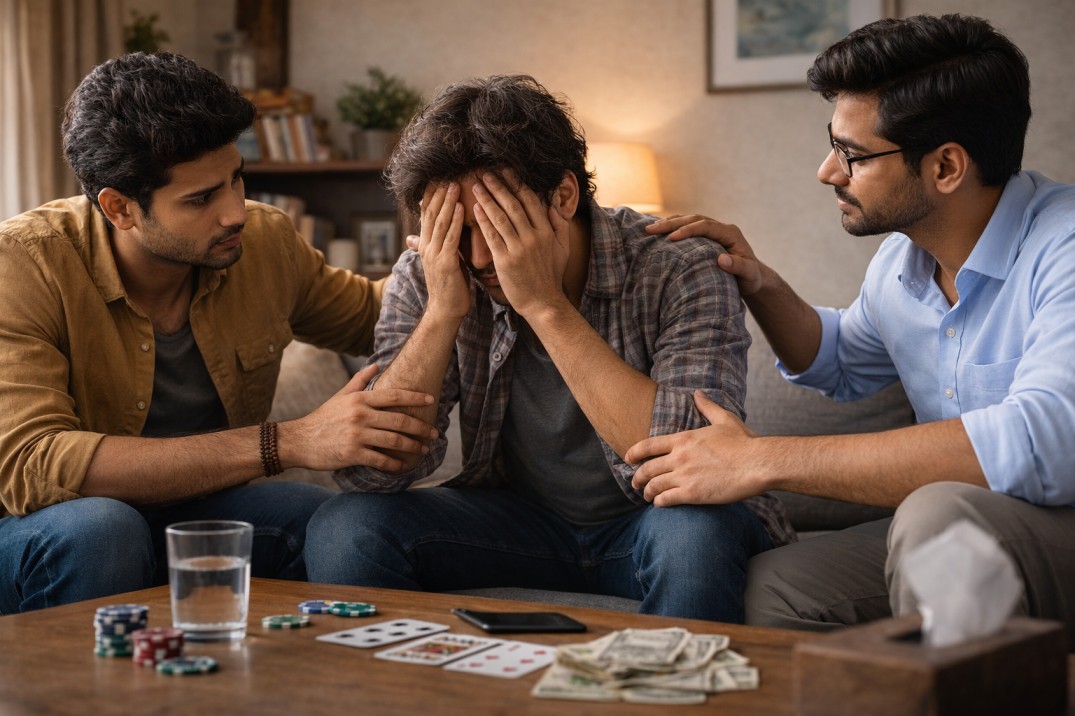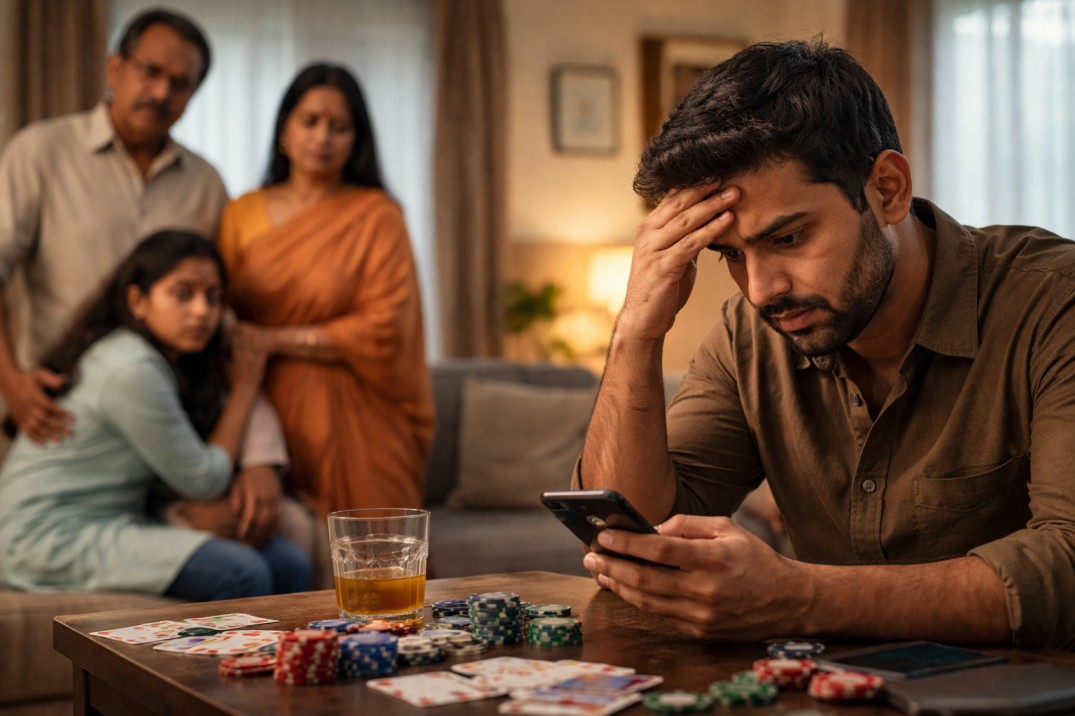






Gambling addiction treatment is more than just a clinical procedure; it is a profoundly human journey that involves reclaiming control over one’s life, restoring strained relationships, and rebuilding hope after the emotional and financial toll of compulsive gambling.
For many, the first step toward recovery can feel overwhelming, but understanding how treatment works can provide clarity, reassurance, and a roadmap toward lasting change.
Whether you are seeking help for yourself or supporting a loved one, this guide will explain the different approaches and strategies and how structured treatment for gambling addiction can address not only the behavior itself but also the underlying emotional, psychological, and social challenges.
From personalized therapy plans to family support and financial counseling, effective treatment combines multiple interventions tailored to the individual’s needs.
In this article, we will explore how treatment is structured, why specialized interventions are crucial, and what resources exist, including gambling addiction treatment in India and internationally.
By the end, you will gain a clear understanding of the pathways to recovery and feel encouraged to take the next step toward healing with confidence and support.
Why Specialized Gambling Addiction Treatment Matters?
Gambling addiction treatment differs significantly from general mental health care. While standard therapy can provide emotional support, this treatment is specialized because it addresses the unique ways gambling affects the brain, behavior, and life circumstances.
Gambling stimulates the brain’s reward system differently from other habits, creating strong compulsions and reinforcing risk-taking behaviors. As a result, individuals often find it difficult to control gambling impulses without structured intervention.
Additionally, gambling addiction carries complex consequences. It can create severe financial strain, legal challenges, and relational conflicts.
These impacts extend beyond the individual, affecting families, workplaces, and communities.
Therefore, treatment for gambling addiction must not only focus on stopping gambling behavior but also on repairing relationships, rebuilding trust, and providing practical guidance to manage finances and legal responsibilities.
Co-occurring mental health conditions are another reason why specialized care is essential. Many individuals struggle simultaneously with anxiety, depression, or substance use disorders.
Ignoring these underlying issues can make recovery difficult or lead to relapse.
Effective gambling addiction treatment centers combine psychological therapy, counseling, and real-life support to create a holistic approach.
For example, cognitive behavioral therapy (CBT) addresses harmful thought patterns, while group therapy fosters peer support and accountability.
Financial counseling helps individuals regain control over debts and spending habits, and family therapy rebuilds trust and communication.
Also Read: Growing Addiction Crisis of Drugs in the Middle East
Signs that One May Need Treatment for Gambling Addiction
Early recognition of gambling problems is crucial for effective recovery. Many individuals may not realize they are developing a gambling problem until the consequences become severe.
Seeking support from a professional gambling addiction treatment center early can prevent the situation from escalating.
1. Preoccupation with Gambling
One of the first signs of a gambling problem is a persistent preoccupation with betting or gambling activities.
Individuals may constantly think about their next wager, plan strategies to recover losses, or spend excessive time researching ways to gamble.
Early intervention through treatment helps address these compulsive thought patterns before they dominate daily life.
2. Increasing Gambling Amounts
Another warning sign is the need to gamble with increasing amounts of money to achieve the same excitement or emotional relief.
This behavior, often called “chasing losses,” can quickly lead to financial strain.
A qualified gambling addiction treatment center can provide structured support to break this escalating cycle.
3. Hiding Gambling Behavior
Many individuals attempt to hide or minimize their gambling behavior due to shame or fear of judgment.
Secretive gambling can strain relationships and lead to social isolation.
Effective gambling addiction treatment addresses not only the compulsion to gamble but also these secretive behaviors, helping rebuild trust and communication with loved ones.
4. Financial Problems and Debt
Financial difficulties are a major red flag.
Accumulating debt, borrowing money, or neglecting bills due to gambling can create stress that feeds the addiction.
Professional treatment includes financial counseling to help regain control over money management and restore stability.
5. Emotional Distress and Irritability
Emotional symptoms, such as irritability, restlessness, or anxiety when unable to gamble, are equally important to recognize.
Individuals may feel an uncontrollable urge to gamble despite understanding the risks involved.
Engaging in gambling addiction treatment teaches healthier coping mechanisms to manage these emotional triggers.
6. Failed Attempts to Stop Gambling
Repeated unsuccessful attempts to stop gambling are another hallmark of a gambling problem.
These failed efforts can lead to frustration, hopelessness, and further gambling as a coping mechanism.
A professional gambling addiction treatment center provides evidence-based interventions that help individuals understand triggers, develop strategies to resist urges, and achieve lasting recovery.
Also Read: Drug Use and Alcohol Addiction in India
How Gambling Addiction Treatment Actually Works?
Gambling addiction treatment is not a one-size-fits-all solution.
Effective recovery combines multiple components tailored to meet an individual’s unique needs.
Understanding these pillars can help individuals and their families navigate the process and select the right support.
1. Comprehensive Assessment and Diagnosis
Every journey toward recovery begins with a thorough understanding of the individual.
At the start of treatment, professionals conduct a detailed assessment to identify the severity of gambling behavior, psychological symptoms, co-occurring disorders such as anxiety or depression, and social or financial impacts.
This evaluation is essential for creating a personalized plan.
A reputable gambling addiction treatment center uses this information to structure a treatment program that addresses both the behavior and the underlying causes, ensuring that the approach is effective and individualized.
2. Individual Psychotherapy
Individual therapy is central to treatment for gambling addiction.
Cognitive Behavioral Therapy (CBT) is one of the most widely used approaches, helping individuals identify harmful thoughts and beliefs related to gambling.
It also allows patients to understand emotional triggers and develop healthier coping strategies.
By learning to replace compulsive gambling with adaptive behaviors, individuals gain the tools for long-term recovery.
Many gambling addiction treatment centers, including those offering gambling addiction treatment in India, prioritize individual therapy as a core component of their programs.
3. Group Therapy and Peer Support
Recovery does not have to be a solitary process. Group therapy provides a structured environment where individuals share experiences, offer mutual encouragement, and maintain accountability.
Being part of a supportive group helps reduce feelings of shame and isolation.
Gambling addiction treatment centers often integrate group sessions into their programs, recognizing that peer support enhances resilience.
Participation in group therapy is a key aspect of gambling addiction treatment and an effective tool within comprehensive treatment for gambling addiction.
4. Family Therapy and Relationship Support
Gambling addiction affects not only the individual but also family members and close relationships.
Family therapy addresses these dynamics by repairing trust, improving communication, and educating loved ones about addiction.
Strong support systems are linked to better outcomes in gambling addiction treatment, making family engagement a critical component.
Many gambling addiction treatment centers in India emphasize family therapy as part of their holistic approach, ensuring recovery is sustainable and supported within the home environment.
5. Financial Counseling
Financial harm is one of the most serious consequences of gambling addiction.
Responsible gambling addiction treatment centers provide financial counseling to help individuals manage debt, create realistic budgets, and restore financial stability.
Integrating practical financial guidance with therapy is a hallmark of effective treatment for gambling addiction.
For many, this component is particularly emphasized in gambling addiction treatment in India, where financial stress can exacerbate emotional and relational strain.
6. Aftercare and Relapse Prevention
Recovery does not end when formal therapy concludes.
Long-term success depends on ongoing support, including follow-up therapy sessions, support group meetings, and regular check-ins with counselors.
Relapse prevention is a vital part of gambling addiction treatment, teaching individuals how to cope with triggers and maintain healthy routines.
Many centers design aftercare programs to ensure continuity, offering structured guidance that extends beyond initial treatment.
Effective treatment also emphasizes preparation for real-life challenges, making recovery sustainable over time, both internationally and in India.
Also Read: Health Recovery Plan for 2026 Guide
Conclusion
If you or someone you love is struggling with gambling behavior, know this: You are not alone. Help exists. Recovery is possible.
Gambling addiction treatment is not a sign of weakness. It is a courageous step toward health, dignity, and restored life.
Whether through individual therapy, support groups, or comprehensive programs, the path to recovery begins with reaching out. You deserve support, understanding, and hope. Taking the first step is a powerful move toward healing.
Frequently Asked Questions About Gambling Addiction Treatment
- What is the treatment for gambling addiction?
The treatment for gambling addiction involves a combination of approaches tailored to the individual.
Key methods include cognitive behavioral therapy (CBT), individual and group counseling, family therapy, financial guidance, and, when needed, medication for co-occurring mental health issues.
- How can I tell if I or someone I know has a gambling addiction?
Persistent preoccupation with gambling, increasing bets to chase losses, hiding gambling behavior, financial problems, emotional distress when not gambling, or repeated failed attempts to stop are common warning signs.
- Are there medications available for gambling addiction?
There is no medication specifically approved to treat gambling addiction.
However, medications may be prescribed to manage co-occurring conditions such as depression or anxiety as part of a comprehensive gambling addiction treatment plan.
- Can family members get involved in the treatment process?
Yes, family members play a vital role in recovery.
Family therapy helps repair trust, improve communication, and educate loved ones about gambling addiction, strengthening long-term outcomes.
- What steps can I take if I believe I have a gambling addiction?
Start by acknowledging the problem and seeking professional help.
Contact a gambling addiction treatment center or qualified counselor for assessment and structured treatment, which may include therapy, group support, family counseling, and financial guidance.