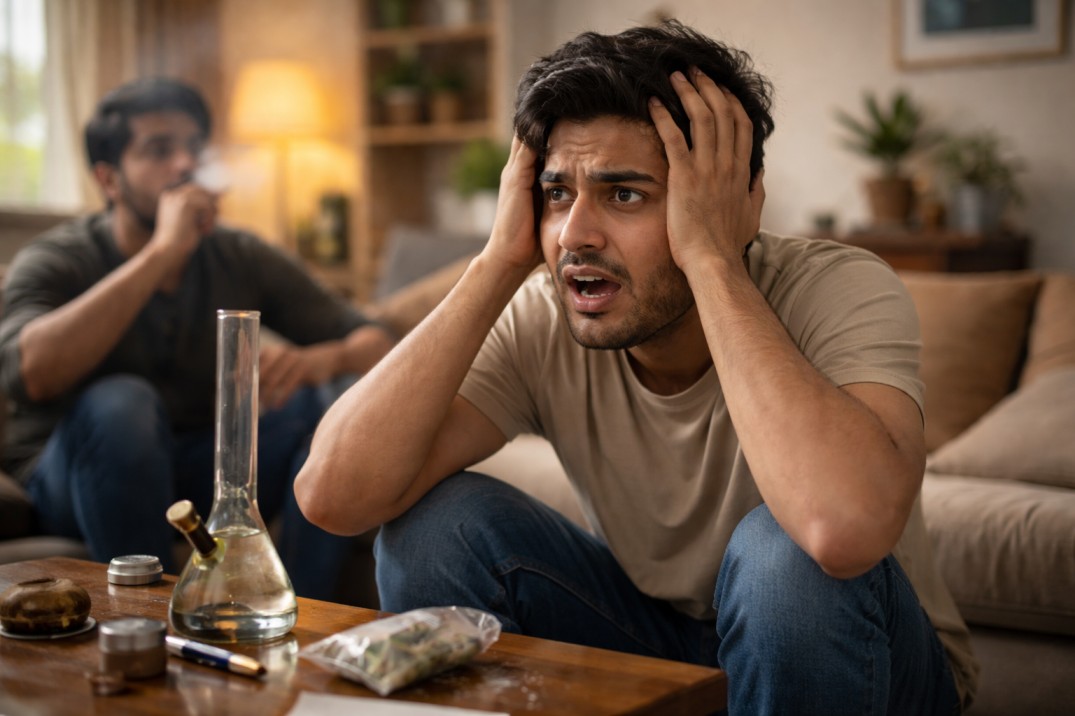






The decision to seek help in rehab in Chennai for addiction is profound, it's a moment where vulnerability meets courage, where desperation transforms into hope. If you're reading this, you may be standing at that crossroads yourself, or perhaps you're searching on behalf of someone you deeply care about. Either way, you're looking for answers in Chennai, a city rich in medical expertise and healing traditions, yet navigating the landscape of rehabs in Chennai can feel overwhelming when you need clarity most.
Addiction doesn't discriminate. It touches lives across all backgrounds, professions, and family structures. What begins as occasional use can spiral into dependency that reshapes brain chemistry, relationships, and identity itself. The path back isn't about willpower alone—it requires professional guidance, evidence-based treatment, and an environment designed for transformation.
This comprehensive guide explores what makes addiction treatment truly effective, how to recognise when residential care becomes necessary, and most importantly, how to identify the best rehab in Chennai for your specific situation. We'll move beyond surface-level comparisons to examine the therapeutic approaches, environmental factors, and philosophical foundations that separate transformative care from temporary fixes.
Understanding Addiction as a Complex Condition Treated at the Best Rehab in Chennai
Before exploring treatment options, it's essential to understand what you're actually treating. Addiction is far more nuanced than popular narratives suggest.
The Neuroscience Behind Dependency
Addiction fundamentally alters brain structure and function. The brain's reward circuitry, becomes hijacked by substances. Repeated exposure causes neuroadaptation: the brain reduces its natural production of dopamine and other neurotransmitters, making it progressively harder to experience pleasure or motivation without the substance.
This isn't metaphorical. Neuroimaging studies show measurable changes in the prefrontal cortex (responsible for decision-making and impulse control), the amygdala (processing emotions and stress), and the basal ganglia (forming habits and routines). These changes explain why someone might genuinely want to stop yet find themselves unable to do so—their brain has been physically rewired around the substance.
Why Addiction is Rarely About the Substance Alone
While brain chemistry plays a crucial role, addiction doesn't exist in a vacuum. Research consistently shows that underlying factors drive and sustain addictive patterns. Unresolved trauma, whether from childhood abuse, neglect, loss, or adult experiences of violence or betrayal, creates emotional wounds that substances temporarily soothe. Mental health conditions like depression, anxiety, PTSD, or bipolar disorder both increase vulnerability to addiction and are worsened by it.
Environmental stressors matter too. Chronic stress, unstable relationships, financial pressure, social isolation, or environments where substance use is normalised all contribute to both the development and maintenance of addiction. This is why effective treatment must look beyond the substance itself to address the whole context of someone's life.
The Myth of "Hitting Rock Bottom"
There's a dangerous misconception that people must reach their lowest point before treatment can work. This outdated idea has caused immeasurable harm, delaying intervention until health, relationships, and opportunities are severely damaged, sometimes irreparably.
The truth is that intervention at any stage can be effective. Earlier treatment often leads to better outcomes because less damage has accumulated, protective factors like family relationships and employment remain intact, and hope hasn't been entirely eroded by repeated failures. You don't need to lose everything to deserve help or to benefit from it.
Recognising When Professional Treatment at the Best Rehab in Chennai Becomes Essential
Many people struggling with addiction attempt to manage it independently, often for months or years before seeking professional help. While self-awareness and personal effort matter, addiction's complexity means that professional intervention is often necessary for safe and lasting recovery.
The Spectrum of Addiction Severity
Addiction exists on a continuum. Early-stage problematic use might involve occasional excess, mild negative consequences, and retained control most of the time. Moderate addiction typically includes regular use, mounting consequences despite awareness of harm, difficulty controlling intake, and emerging tolerance. Severe addiction involves compulsive use, inability to stop despite serious consequences, significant tolerance and withdrawal symptoms, and life revolving around obtaining and using substances.
Understanding where someone falls on this spectrum helps determine the appropriate level of care. However, severity alone doesn't tell the whole story, safety concerns, co-occurring conditions, past treatment attempts, and environmental factors all influence whether residential treatment becomes necessary.
Medical and Psychological Warning Signs
Certain indicators suggest that addiction has progressed beyond what can be safely or effectively managed without professional help:
Physical health deterioration including liver damage, cardiovascular problems, respiratory issues, neurological symptoms, compromised immune function, or withdrawal symptoms that include seizures, severe tremors, hallucinations, or dangerous blood pressure changes requires medical supervision.
Mental health crisis such as suicidal thoughts or behaviours, severe depression or anxiety, psychotic symptoms, dissociation or detachment from reality, or inability to function in daily life necessitates integrated psychiatric care.
Escalating consequences like job loss or inability to maintain employment, relationship breakdowns or family crisis, legal problems, financial collapse, or dangerous situations while intoxicated indicate that the situation has become unmanageable.
Failed attempts at stopping where someone has tried multiple times to quit independently, experiences immediate relapse after short periods of abstinence, cannot maintain sobriety despite genuine desire and effort, or faces increasingly severe consequences with each relapse cycle suggests the need for structured support.
Why Outpatient Treatment Sometimes Isn't Enough
Outpatient care can be valuable for mild-to-moderate addiction or as continuing support after residential treatment. However, it has limitations that make it inadequate for many situations.
Living in the same environment where addiction developed means continued exposure to triggers, stressors, and potentially people who use substances. For someone in early recovery with limited coping skills, this can overwhelm their capacity to maintain sobriety. The brain's rewired patterns pull powerfully toward familiar behaviours, especially under stress.
Additionally, withdrawal from certain substances, particularly alcohol and benzodiazepines, can be medically dangerous or even life-threatening. Outpatient settings typically cannot provide the medical monitoring necessary to manage these risks safely.
Finally, if mental health conditions co-exist with addiction, the intensity of symptoms often requires more comprehensive care than weekly therapy sessions can provide. Integrated residential treatment allows for medication adjustment, intensive therapy, and 24-hour support during the most vulnerable phases.
The Role of Environment in Recovery at Rehab in Chennai
While therapeutic approaches matter immensely, the physical and social environment where treatment occurs also significantly impacts outcomes.
Beyond Basic Accommodation
The best rehab in Chennai recognises that the environment is therapeutic, not just functional. Natural settings have measurable effects on stress reduction, mood improvement, and cognitive restoration. Access to nature, whether gardens, views of greenery, or outdoor spaces, supports the nervous system's shift from hyperarousal to calm.
Privacy and dignity matter for healing. Shared rooms and lack of personal space can feel triggering for trauma survivors or simply prevent the rest and reflection necessary for change. While community is important, so is the ability to retreat and process privately.
Aesthetic considerations, communicate that clients are valued and that the space is designed for care rather than containment. Institutional environments that resemble hospitals or detention can trigger feelings of punishment or illness rather than healing.
Community and Connection
Residential treatment creates temporary communities where people support each other's recovery. This peer connection serves multiple functions:
- Normalisation reduces shame. Seeing others struggle with similar issues makes your own experience feel less strange or defective.
- Hope comes from witnessing others' progress and hearing from people further along in recovery.
- Accountability emerges naturally when you're part of a community that knows your goals and patterns.
- Practice ground for new relationship skills. Treatment provides a safe place to experiment with vulnerability, honesty, boundary-setting, and conflict resolution.
- Belonging meets a fundamental human need often damaged by addiction. Many people arrive feeling profoundly alone; community creates reconnection.
Samarpan is India's only internationally accredited rehab centre for the treatment of Substance Use Disorders and Addictions
However, community also requires thoughtful structure. Poor boundaries, romantic relationships, or power dynamics can recreate unhealthy patterns. Quality programmes maintain appropriate structure while facilitating genuine connection.
What Family Members Need to Understand When Choosing Rehab in Chennai ?
Addiction impacts entire family systems, and family involvement significantly influences treatment outcomes and long-term recovery.
The Family Disease Concept
While addiction is an individual's diagnosis, its effects ripple through families. Partners, parents, children, and siblings develop their own adaptive responses, some helpful, many inadvertently harmful.
Enabling means protecting someone from the natural consequences of addiction, whether through providing money, making excuses, or managing crises they created. While motivated by love and desire to help, enabling prevents the reality that might motivate change.
Controlling behaviours attempt to manage the addicted person's choices through monitoring, restrictions, or ultimatums. This creates power struggles and resentment while ultimately proving futile, you cannot force someone to recover.
Emotional reactivity intensifies as families cycle through anger, fear, hope, and despair. Family members may develop their own anxiety, depression, or health problems from chronic stress.
Role changes occur when addiction disrupts family functioning. Children may become parentified, taking on adult responsibilities. Partners may become either overresponsible or checked out. Siblings may become invisible as attention focuses on crisis.
These patterns are understandable responses to an impossible situation. Family members are doing their best with limited resources and information. However, these patterns often inadvertently maintain the problem they're trying to solve.
Aftercare Support Offered at the Best Rehab in Chennai
What happens after leaving residential treatment is just as crucial as the treatment itself. The transition back to normal life is high-risk, familiar environments, stressors, and patterns can quickly overwhelm new coping skills if support isn't continued.
Components of Effective Aftercare
Continuing therapy through individual counselling, group work, or support groups maintains the therapeutic relationship and provides ongoing processing space as new challenges arise.
Medication management continues for those using medications for mental health conditions, opioid use disorder, or alcohol dependence. Regular monitoring and adjustment ensures optimal benefit.
Support groups like 12-step programmes, SMART Recovery, or Refuge Recovery provide free, ongoing community support. Different approaches work for different people; finding the right fit matters.
Alumni programmes maintain connection to the treatment community through regular meetings, social events, or online groups. These connections combat isolation and provide accountability.
Sober living environments offer transitional housing with structure and peer support for those not ready to return home immediately.
Vocational support helps with resume building, job searching, or educational planning as people rebuild their lives.
Family continuing care extends family therapy beyond residential treatment, supports families in maintaining healthy patterns, and provides crisis intervention if needed.
Relapse Prevention Planning
Relapse isn't inevitable, but preparing for vulnerability points significantly reduces risk. Comprehensive relapse prevention includes:
- Trigger identification maps high-risk situations, emotions, people, places, and times that increase craving or lower resistance.
- Coping strategy development creates specific plans for managing each trigger type without substances.
- Warning sign awareness teaches recognition of early relapse warning signs—emotional changes, thinking patterns, behaviour shifts, that precede actual substance use.
- Emergency plans outline specific steps to take if cravings become overwhelming or if a slip occurs, including who to call and where to go.
- Lifestyle changes that reduce overall stress, increase healthy pleasures, build supportive relationships, and create meaning and purpose beyond avoiding substances.
Understanding that relapse sometimes occurs despite best efforts is also important. If it happens, immediate reconnection with support, rather than shame-driven isolation, can prevent a brief slip from becoming full-blown relapse.
Conclusion
Choosing the right rehab in chennai is not about finding quick fixes or dramatic promises. It’s about finding care that understands addiction as a medical, psychological, and deeply human experience. Real recovery happens when treatment goes beyond detox, looks past the substance itself, and supports the whole person, mind, body, relationships, and future.
The right programme offers more than therapy schedules and accommodation. It provides safety during withdrawal, skilled clinical guidance, space to heal from trauma, and a community that replaces isolation with belonging. It recognises that no two recovery journeys are the same and shapes treatment around individual needs rather than rigid formulas. Most importantly, it prepares people for life after rehab, where recovery is tested, strengthened, and truly lived.
If you are considering treatment for yourself or someone you love, remember this: seeking help is not a sign of failure. It is an act of clarity and courage. The fact that you are here, looking for answers, means you are already choosing health over harm, honesty over denial, and hope over fear. With the right support, recovery is not just possible, it can become the foundation for a more grounded, meaningful, and connected life.
Frequently Asked Questions
How do I know if residential treatment is necessary or if outpatient care is sufficient?
Residential care is typically recommended for moderate-to-severe addiction, when outpatient attempts haven't worked, when safe medical supervision is needed, when co-occurring mental health conditions require intensive care, or when the home environment triggers use. A professional assessment can help determine the appropriate level of care.
What should I bring to residential rehab?
Most centres provide lists of permitted items, typically including comfortable clothing, personal toiletries, any prescribed medications with documentation, and perhaps books or journals. Items usually restricted include electronics with internet access, outside medications not prescribed to you, valuable jewelry, and anything containing alcohol or resembling substances.
Can I contact family during treatment?
Communication policies vary, but most quality centres include scheduled family calls or visits. Some programmes limit contact during the first week or two to allow focus on adjustment and personal work, then gradually increase family involvement through structured sessions.
What if I have a job or family responsibilities I can't leave?
These concerns are valid and common. However, addiction ultimately threatens job and family stability far more than a treatment pause. Many people find that employers are more understanding than expected.