



If you're searching for addiction treatment in Jeddah for yourself or for someone you love- you're probably overwhelmed. The fear, the stigma, the uncertainty about what the right next step looks like. These feelings are completely understandable. And you are not alone.
Addiction is a health condition, not a moral failing. And getting help, even if that means travelling outside Saudi Arabia, is one of the most courageous decisions a person or family can make.
This guide will walk you through the reality of seeking addiction treatment in Jeddah, what to look for in a quality rehab programme, and why many residents of the Kingdom are now choosing internationally accredited residential care in India as their path to lasting recovery.
Understanding Addiction: What's Really Happening
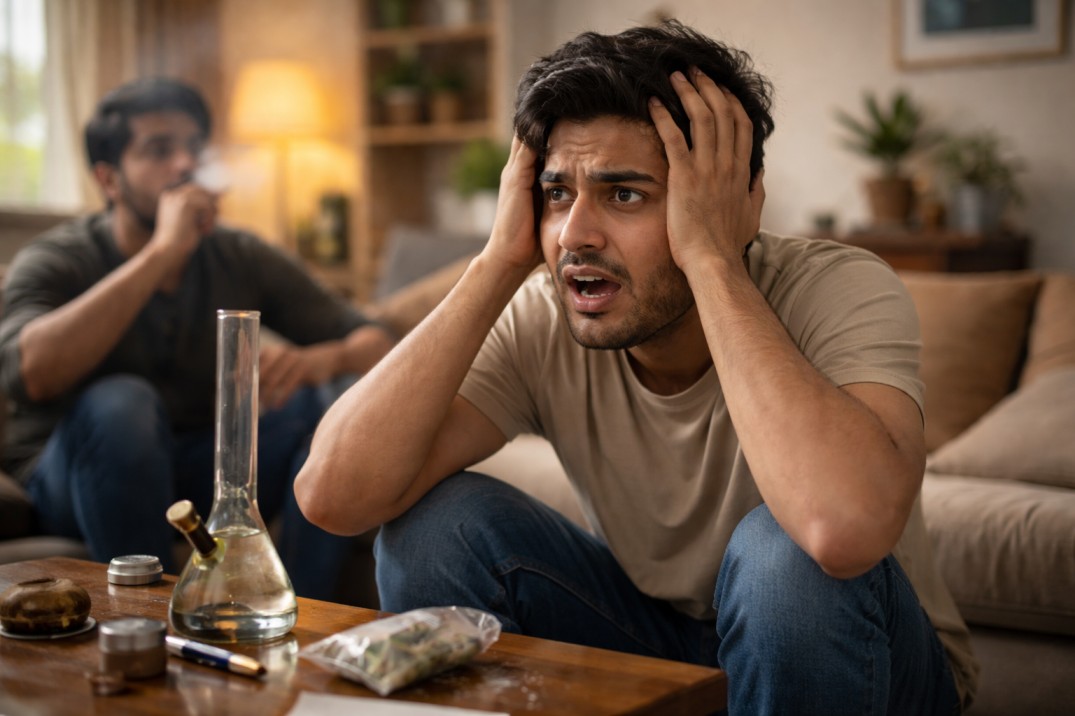
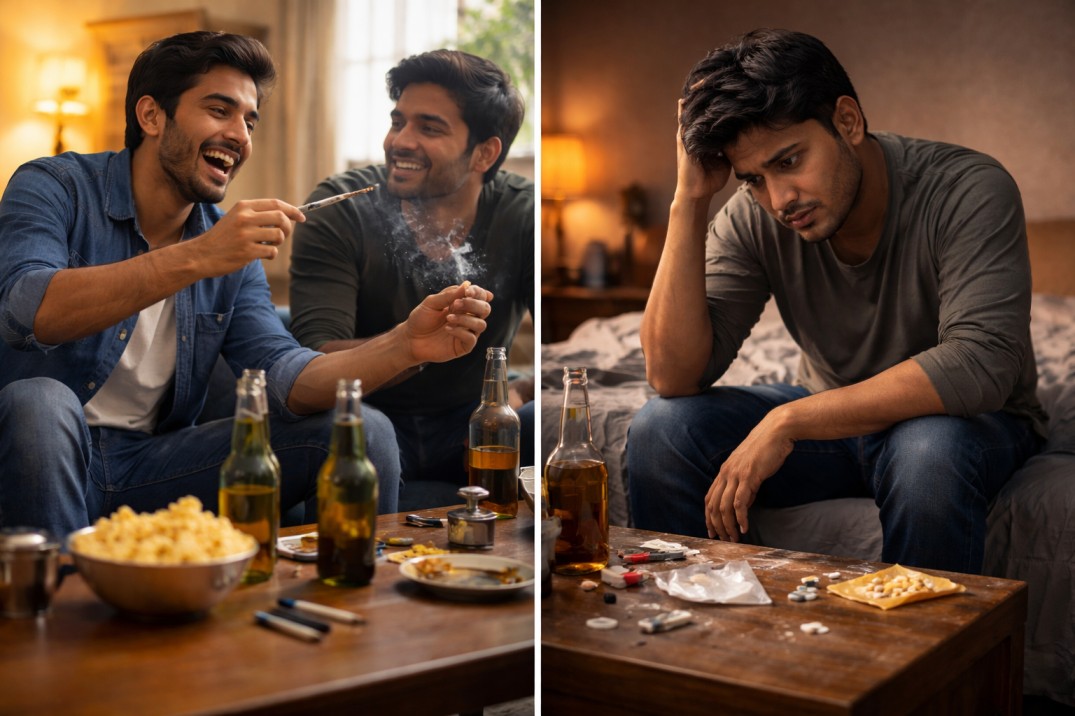
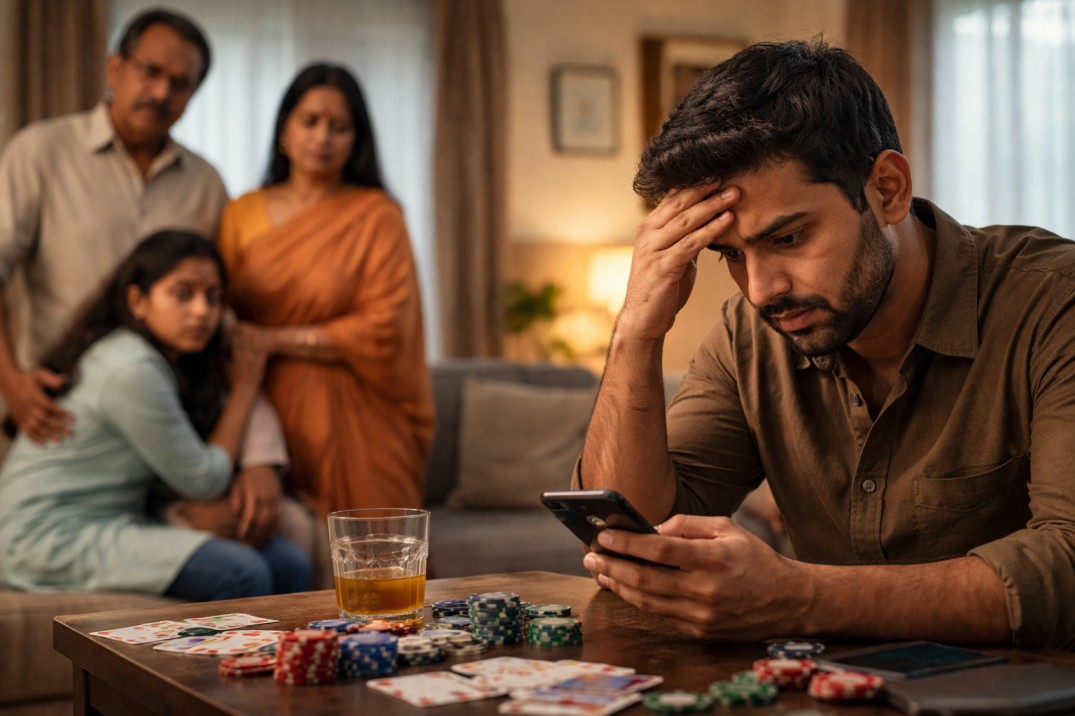
Substance use disorders- whether involving alcohol, prescription medication, opioids, or any other drug- don't develop overnight. They grow over time, often rooted in unresolved emotional pain, trauma, stress, family patterns, or a biological vulnerability.
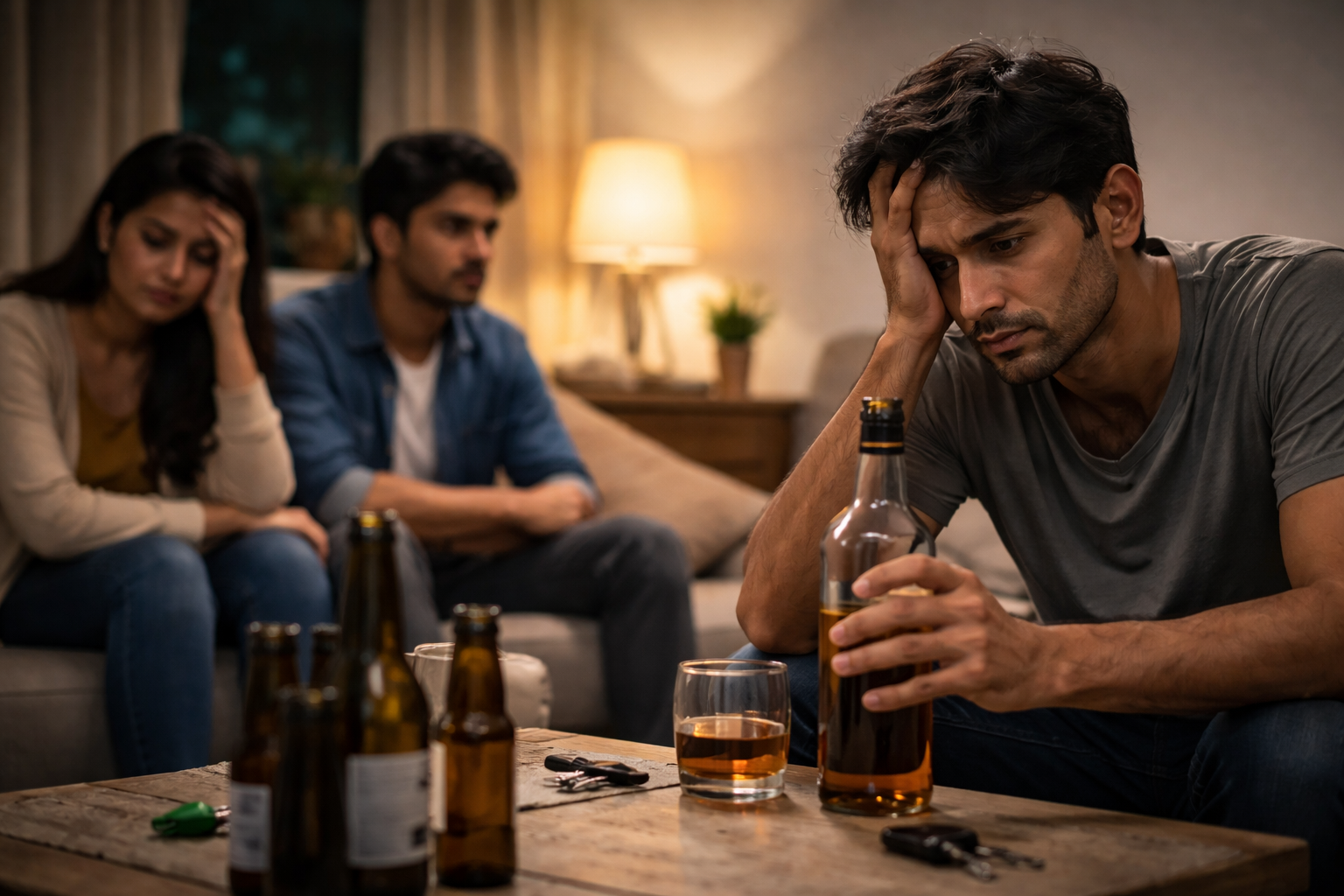
In Jeddah, as across Saudi Arabia, the social and legal environment around substance use creates a particularly difficult dynamic. Legal and cultural stigma can push individuals deeper into shame and secrecy, delaying the decision to seek help. The longer treatment is delayed, the more entrenched the cycle of addiction becomes.
Understanding addiction as a medical and psychological issue- rather than a personal weakness- is the first step to approaching it with the seriousness it deserves.
Common Signs of Addiction
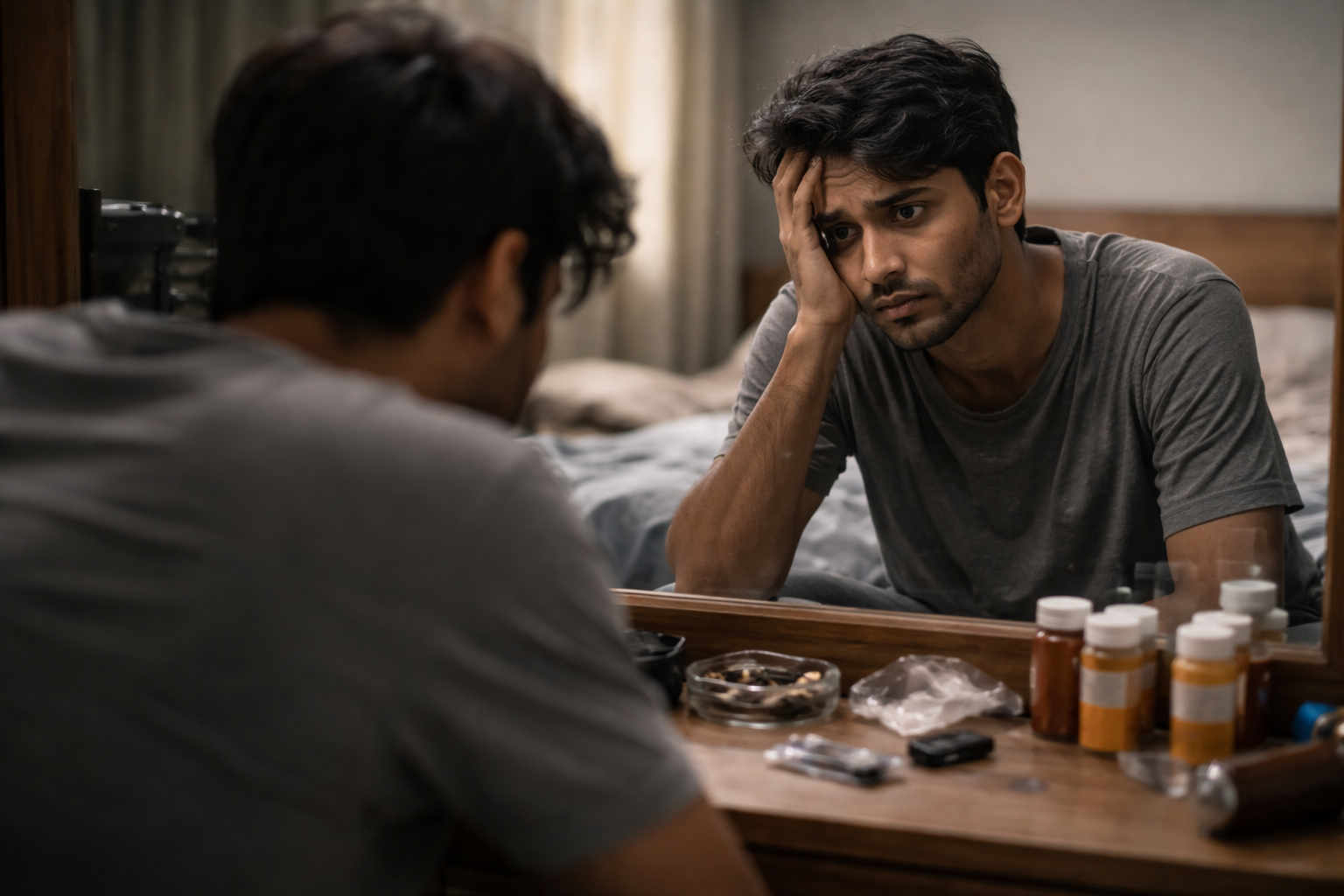
Behavioural changes are often the first signal: withdrawal from family and friends, secrecy, erratic moods, declining performance at work or school, financial difficulties, or dishonesty about whereabouts and activities.
Physically, addiction can manifest as dramatic changes in weight, disrupted sleep, neglect of personal hygiene, tremors, or in more severe cases, withdrawal symptoms when the substance is unavailable.
Emotionally, individuals often experience deep anxiety, depression, irritability, or an inability to experience pleasure without the substance. If any of these patterns feel familiar, it's worth taking them seriously.
The Reality of Addiction Treatment in Jeddah and Saudi Arabia
Saudi Arabia has made meaningful progress in expanding mental health and addiction care in recent years. Government hospitals and a growing number of private clinics now offer outpatient counselling, psychological support, and in some cases, short-term residential care.
However, the landscape still has significant limitations for those who need comprehensive, long-term residential treatment. Options for private, internationally accredited residential programmes- particularly those equipped to handle dual diagnosis (addiction alongside mental health conditions like depression, anxiety, or trauma)- remain limited within the Kingdom.
Many families in Jeddah are also understandably cautious about seeking local treatment due to privacy concerns and the social stigma that still surrounds addiction. This leads many to explore internationally respected residential centres where complete confidentiality and clinical depth are guaranteed.
Why Residential Treatment Works
Outpatient support has its place, but for moderate to severe addiction, residential treatment consistently delivers better outcomes. The reason is straightforward: sustained, immersive care removes the individual from triggering environments, provides 24/7 clinical support, and allows deeper psychological work- including trauma processing- that outpatient sessions simply cannot replicate.
A quality residential programme addresses the root causes of addiction, not just the symptoms. This is what makes the difference between temporary abstinence and lasting, meaningful recovery.
What to Look for in a Rehab Programme
Not all rehab programmes are created equal. When evaluating options- whether in Jeddah, the Middle East, or internationally- here are the key benchmarks to hold any facility to:
International Accreditation
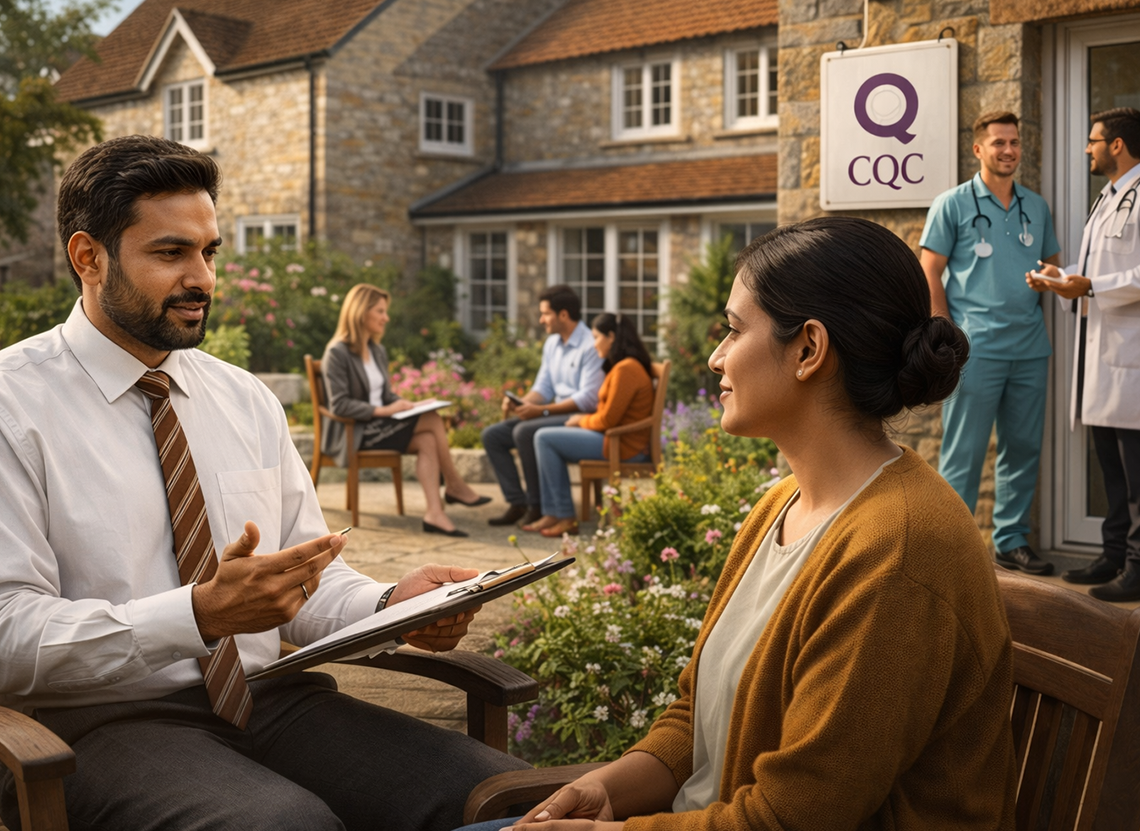
Look for programmes accredited by internationally recognised bodies such as CARF (Commission on Accreditation of Rehabilitation Facilities). Accreditation means the facility has been independently evaluated against rigorous standards of clinical care, ethics, and outcomes. This is a non-negotiable quality indicator.
Evidence-Based Clinical Treatment
Effective addiction treatment is built on proven clinical approaches: Cognitive Behavioural Therapy (CBT), Dialectical Behaviour Therapy (DBT), trauma-informed care, medical detoxification, and structured relapse prevention. Be cautious of programmes that rely heavily on unstructured 'wellness' approaches without clinical depth.
Dual Diagnosis Capability
Most people struggling with addiction also carry co-occurring mental health conditions- depression, anxiety, PTSD, or personality disorders. A programme that treats only the addiction without addressing these underlying conditions is unlikely to achieve lasting results. Ask specifically about dual diagnosis capability.
Family Involvement
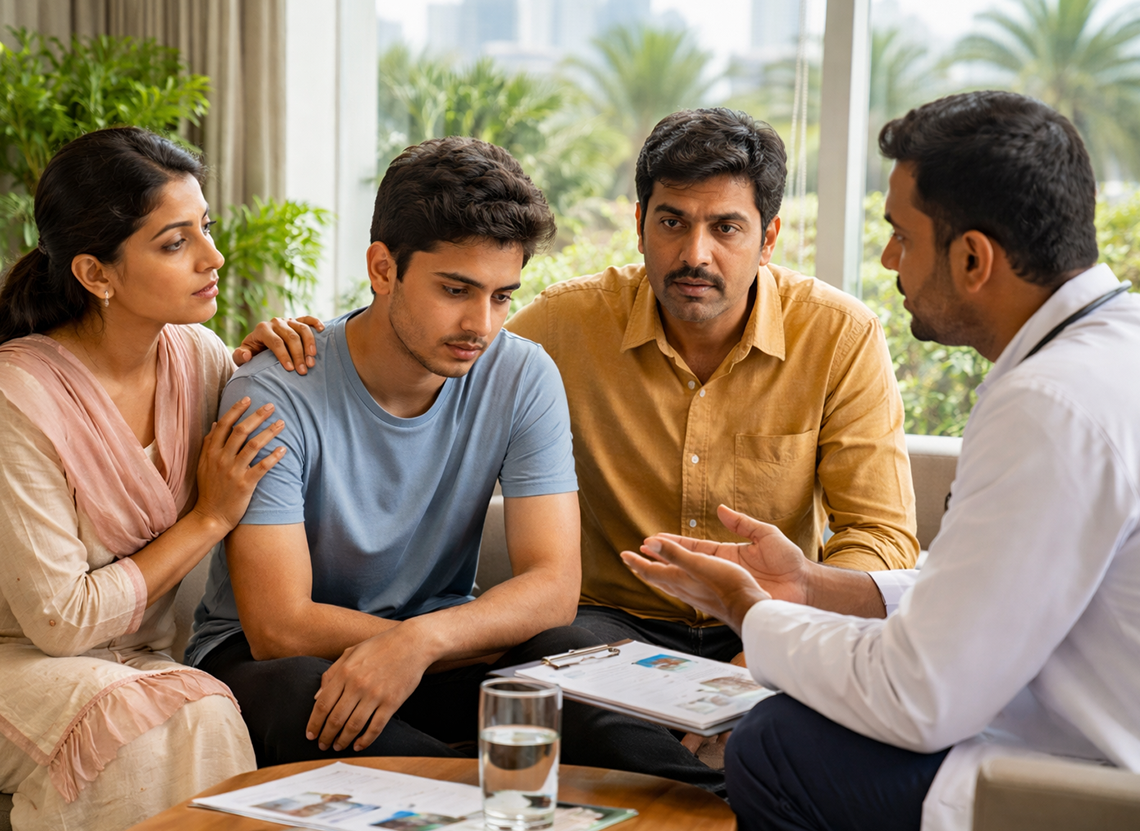
Addiction affects the entire family system. A quality programme actively involves family members through structured family therapy, education, and communication support. Recovery is more durable when families understand the disease and develop the tools to provide healthy support.
Genuine Continuing Care
What happens after discharge matters enormously. A h4 programme provides structured continuing care- follow-up therapy, relapse prevention support, alumni communities- because the early months of post-residential life are often the most vulnerable period.
Why Trauma-Informed Care Changes Everything
One of the most important developments in modern addiction treatment is the recognition that unresolved trauma- childhood adversity, loss, abuse, or chronic stress- is one of the most significant drivers of substance use disorders.
Trauma-informed rehab goes beyond treating the observable behaviours of addiction. It works carefully and safely with the underlying emotional wounds that made substances feel necessary in the first place. Without this layer of care, many people complete treatment and relapse within months, not because they lack willpower, but because the deeper source of their pain was never addressed.
When evaluating any rehab programme, ask directly: does your clinical team have training in trauma processing? Is trauma addressed as part of the core treatment model, or as an afterthought?
The Role of Holistic Therapies in Recovery
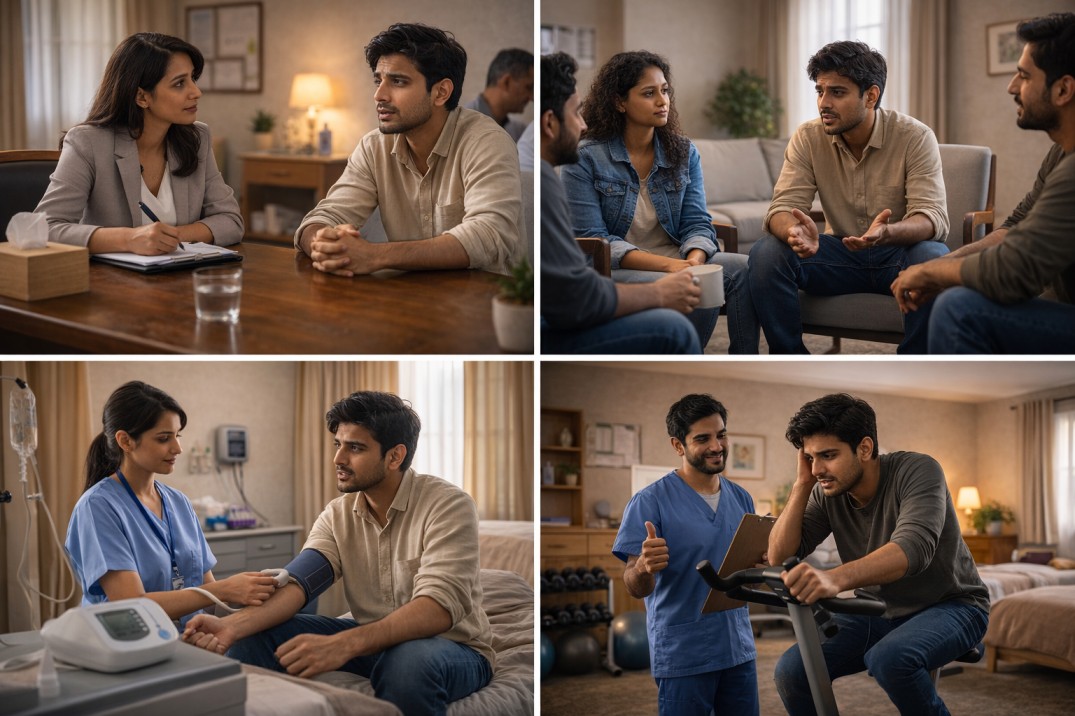
Evidence-based clinical treatment and holistic healing are not opposites- they work best together. Therapies like yoga, meditation, art therapy, mindfulness, and physical fitness work powerfully alongside clinical interventions by reducing anxiety, improving emotional regulation, rebuilding a sense of identity, and restoring physical health.
This integrative approach- combining clinical rigour with holistic care- represents the current gold standard in residential addiction treatment globally.
Samarpan Recovery: Why Residents of Jeddah Choose India's Leading Rehab Centre
For families in Jeddah and across Saudi Arabia seeking the highest standard of residential addiction treatment- with complete privacy, internationally verified quality, and genuine clinical depth- Samarpan Recovery has become a trusted choice.
Located in the serene Sahyadri Hills of Mulshi, Pune, Samarpan is India's only internationally CARF-accredited residential rehabilitation centre for Substance Use Disorders. This distinction matters: CARF accreditation is one of the most rigorous quality marks in addiction treatment globally, and Samarpan is the only facility in India to hold it for this specialisation.
What Makes Samarpan Different
Samarpan was built from the ground up on the conviction that addiction treatment should equal the best available anywhere in the world, not just the best available in India. Its multidisciplinary team includes psychiatrists, clinical psychologists, internationally trained addiction therapists, and wellness experts, working together on personalised treatment plans.
The clinical programme combines CBT, DBT, individual therapy, interpersonal group therapy, psycho-education, and the GORSKI-CENAPS relapse prevention model — one of the most respected structured approaches to long-term sobriety. This is complemented by art therapy, yoga, meditation, fitness training, and nutritional care.
Samarpan's dual diagnosis capability means that co-occurring mental health conditions- anxiety, depression, trauma, personality disorders are assessed and treated alongside the addiction, creating a genuinely integrated path to healing.
Family therapy is not a token offering here. Loved ones are actively included in structured therapeutic sessions, given education about addiction and recovery, and supported in rebuilding trust and communication.
After discharge, Samarpan provides ongoing continuing care including virtual follow-up sessions, relapse prevention support, and a connected alumni community because Samarpan understands that recovery doesn't end at the gate.
Conclusion
The facility ensures highly personalised attention, genuine therapeutic community, and absolute privacy. Set within natural surroundings with thoughtfully designed residential accommodation, every aspect of the environment is oriented toward healing.
For families from Jeddah considering international treatment, Samarpan's team conducts a thorough pre-arrival assessment via phone or video, and supports clients through the transition to ensure continuity of care from day one.
Frequently Asked Questions About Rehab in Jeddah
-
Is it safe to seek addiction treatment if I'm based in Jeddah?
Yes. Many individuals from Saudi Arabia choose to travel internationally for residential treatment, which offers complete privacy and freedom from any legal concerns. Voluntary treatment undertaken abroad is entirely within personal choice. If you are considering this step, speaking to a professional treatment adviser in confidence is a sensible first move.
-
How long does residential rehab typically last?
Most quality residential programmes run between 28 and 90 days, depending on the severity of the addiction and any co-occurring mental health conditions. Research consistently shows that longer treatment durations are associated with better long-term outcomes. Samarpan offers programmes from five to thirteen weeks.
-
What is dual diagnosis treatment?
Dual diagnosis refers to the simultaneous treatment of substance use disorder alongside a co-occurring mental health condition such as depression, anxiety, PTSD, or a personality disorder. Given that these conditions so frequently underlie addiction, dual diagnosis capability is an important quality indicator in any rehab programme.
-
Can family members be involved in the treatment process?
Yes, and at quality facilities, family involvement is actively encouraged. Structured family therapy, education sessions, and communication support are central to the recovery process, as they help rebuild trust and equip families to provide healthy ongoing support.
-
What is CARF accreditation and why does it matter?
CARF (Commission on Accreditation of Rehabilitation Facilities) is an internationally respected independent accreditation body that evaluates rehabilitation providers against rigorous standards of quality, ethics, and outcomes. Samarpan Recovery is India's only CARF-accredited residential rehabilitation centre for Substance Use Disorders — a mark of quality that speaks for itself.
-
Is it possible to travel from Jeddah to Samarpan in India?
Yes. Direct and connecting flights from Jeddah to Pune or Mumbai are readily available. Samarpan's team works with clients and families to facilitate a smooth arrival and provides pre-admission support including a comprehensive phone or video assessment before travel.
-
What happens after residential treatment ends?
Samarpan's continuing care programme provides structured post-discharge support including virtual therapy sessions, relapse prevention follow-up, and an alumni network. The transition back to daily life is supported, not left to chance.
Conclusion: Recovery Is Possible
If you or someone you love is struggling with addiction in Jeddah, the most important thing to know is this: help is available, and recovery is genuinely possible.
The decision to seek residential treatment- whether locally or internationally — is not a sign of weakness. It is a profound act of care, for yourself or for the person you love. It is the choice to say: this pain is real, this condition is treatable, and I deserve to get better.
If you are ready to take the first step, speaking with a professional in confidence costs nothing and commits you to nothing. But it may be the conversation that changes everything.
If you or a loved one is looking for residential addiction treatment, Samarpan Recovery's team is available for a completely confidential conversation.
Recovery begins with one step. +91 81809 19090 | samarpanrecovery.com