




London is one of the world's great cities, and it is also a city where addiction quietly touches the lives of thousands of families. Whether it's alcohol use that's gradually becoming unmanageable, substance dependence that has escalated, or a cycle of addiction and mental health difficulty that no amount of willpower seems to break if you're searching for the best rehab centers near me, you're likely searching for something more than just a programme. You're searching for a genuine way out.
This guide is for families and individuals who want clear, honest information not marketing language, about what effective addiction treatment looks like, what to look for in any rehab, and why a growing number of London families are finding exceptional results through world-class residential treatment abroad.
Addiction in London: A Complex Picture
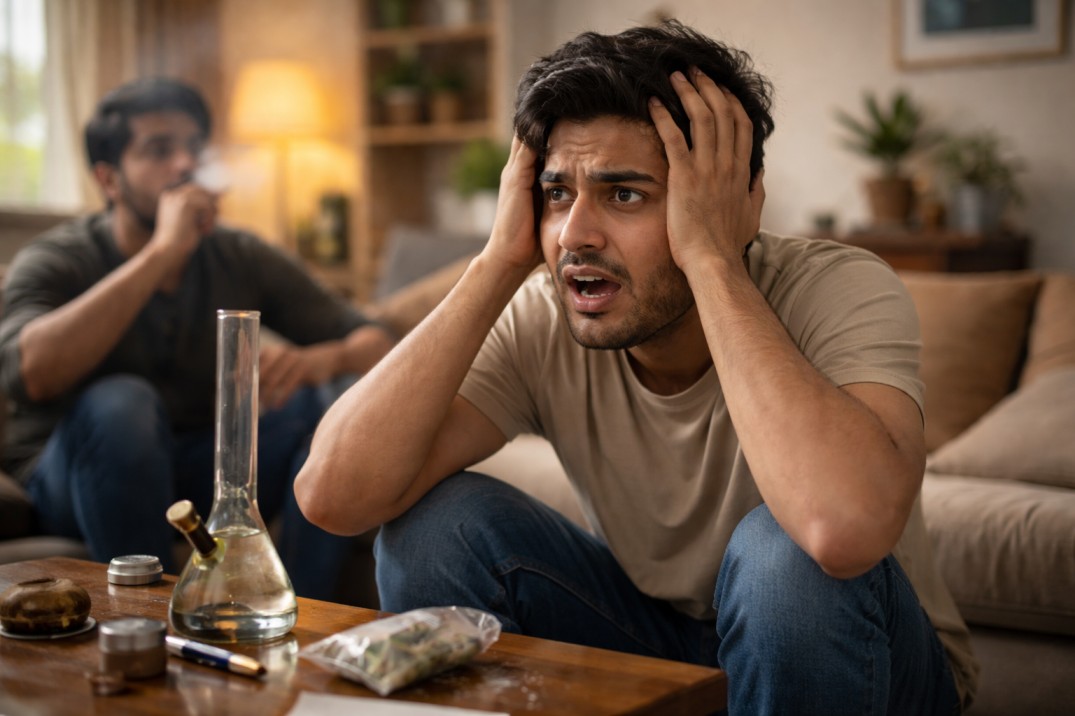
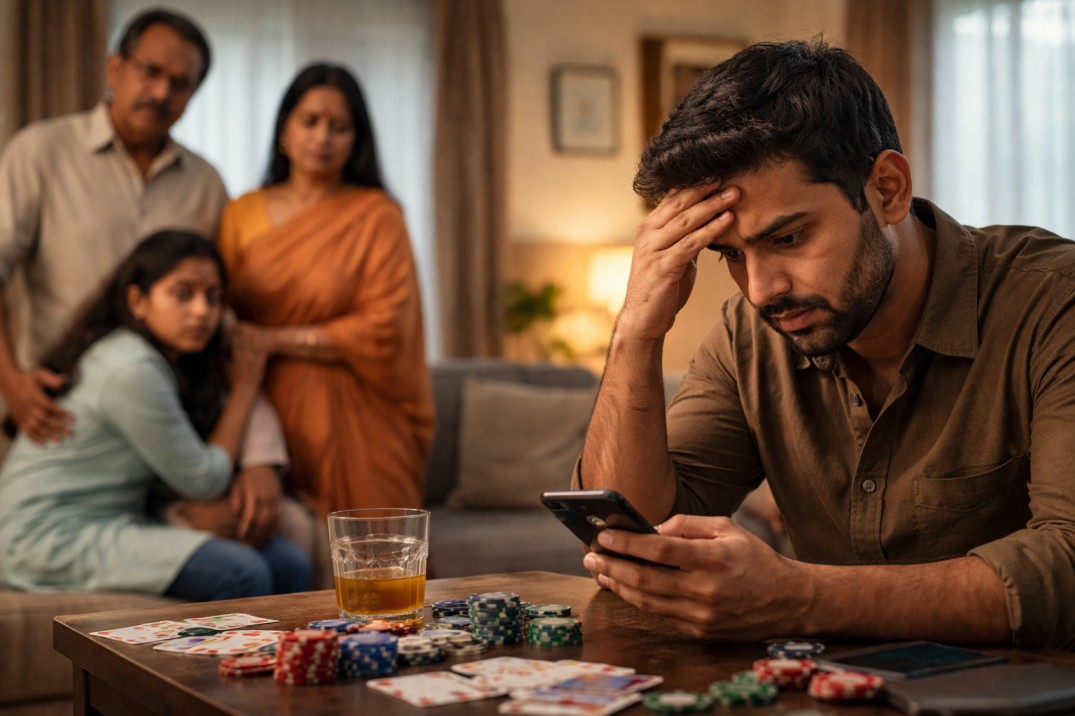
London's size, pace, and social complexity create a particular backdrop for addiction. High-pressure professional environments, social isolation, trauma, financial stress, and easy access to substances all play a role. For many, addiction develops slowly, and by the time it's recognised as a serious problem, it's become deeply entrenched.
What this means clinically is that effective treatment often needs to address far more than the substance itself. Patterns of thinking, unprocessed trauma, co-occurring mental health conditions, and family dynamics all need to be part of the picture.
What Makes a Rehab Genuinely Effective?
Whether you're evaluating options in London or internationally, these are the markers that genuinely separate effective programmes from those that fall short:
-
Trauma-Informed Care
Addiction and trauma are deeply linked. Many people who develop problematic substance use are, at some level, managing the after effects of a traumatic experience, childhood adversity, loss, abuse, or prolonged stress. A trauma-informed rehab creates a safe, non-judgmental environment where trauma can be acknowledged and processed, not just managed.
-
Dual Diagnosis Treatment
Depression, anxiety, PTSD, bipolar disorder, and ADHD are frequently found alongside addiction, and each makes the other harder to treat. The best rehab programmes integrate psychiatric assessment and mental health treatment fully into the addiction programme not as a separate strand, but as a core part of a unified approach.
-
Evidence-Based Therapies
Cognitive Behavioural Therapy (CBT), Dialectical Behaviour Therapy (DBT), trauma-focused therapies, and motivational interviewing are among the approaches with strong clinical evidence behind them. A credible programme will be built on these, not on vague promises or untested methods.
-
Robust Continuing Care
The period after residential treatment is the most vulnerable in recovery. Effective programmes invest in structured continuing care process: relapse prevention planning, ongoing therapeutic support, alumni connection, and family guidance. These are not add-ons, they are essential to durable recovery.
-
Family Involvement
Addiction doesn't exist in a vacuum. It affects and is affected by family systems. Programmes that actively involve families, through therapy and education, produce better long-term outcomes and help families heal alongside their loved one.
Why London Families Are Choosing Samarpan Recovery
Samarpan Recovery is a premium, trauma-informed, evidence-based residential rehabilitation centre in India. It was established with a clear purpose: to offer a standard of care that combines clinical rigour, genuine compassion, and a therapeutic environment that supports real and lasting recovery. For those exploring luxury rehab programs, the focus is not just comfort, but clinical depth and personalised care.
For families from London, Samarpan has become a trusted option not because of proximity, but because of what it offers clinically and therapeutically.
-
A Deeper Clinical Programme
Samarpan's programme integrates psychiatric care, individual therapy, group therapy, trauma processing, CBT, DBT, mindfulness, family therapy, and holistic approaches into a cohesive, personalised treatment plan. The depth and breadth of the therapeutic offering is, for many families, significantly greater than what's available in London's private rehab sector at any comparable price point.
-
Genuine Dual Diagnosis Expertise
Co-occurring mental health conditions are central to Samarpan's clinical model, not peripheral. The team includes experienced psychiatrists who conduct thorough assessments, provide ongoing monitoring, and integrate mental health treatment fully into the recovery programme.
-
Trauma as the Starting Point
The Samarpan team understands that for many individuals, addiction is, at its core, a response to unresolved trauma. The programme is trauma-informed throughout, from the way assessments are conducted to the therapeutic approaches used to the culture of the community. This creates the conditions in which genuine healing becomes possible.
-
An Environment That Heals
London's urban intensity, the noise, pace, and pressure, is rarely conducive to the deep rest and reflection that early recovery requires. Samarpan is set in a serene, nature-based environment that supports nervous system regulation, genuine psychological space, and the kind of reflection that allows people to understand themselves more deeply.
This isn't a luxury detail. The environment is a clinical factor. The calm, natural setting at Samarpan actively supports the therapeutic work.
-
Exceptional Value
A comprehensive residential programme at Samarpan costs a fraction of what an equivalent (or lesser) programme would cost in London. This is not a reflection of lower quality, it reflects the economics of operating in India while maintaining international clinical standards. For many London families, Samarpan makes genuinely thorough, long-term residential treatment financially achievable.
-
Family at the Centre
Addiction reshapes family relationships in painful ways, eroding trust, creating co-dependency, and generating its own cycle of hurt. Samarpan involves families meaningfully: through family therapy, regular communication, education, and guidance on how to build a home environment that supports long-term recovery. Healing happens at the family level, not just the individual level.
-
Continuity Through Continuing Care
Samarpan's relationship with clients and families doesn't end at discharge. A structured continuing care programme, including ongoing therapeutic support, relapse prevention planning, and alumni connection, provides continuity through the critical period of transition back to everyday life.
Who Is Residential Rehab Right For?
Residential rehabilitation is the most appropriate level of care when:
- Outpatient treatment or previous residential treatment has not produced lasting results
- The addiction is severe, and individuals searching for a drug rehabilitation center near me may require medically supervised detox
- Dual diagnosis addiction alongside significant mental health difficulty is present
- There is a significant trauma history that has not been therapeutically addressed
- The home environment is not stable or safe enough to support early recovery
- The individual's physical health, relationships, or functioning have been significantly affected
The presence of multiple factors, especially dual diagnosis and trauma, is a strong indicator that a comprehensive residential programme will produce significantly better outcomes than less intensive approaches.
The Samarpan Experience: A Closer Look
-
Personalised Assessment
Every individual who comes to Samarpan undergoes a comprehensive clinical assessment covering their full physical and mental health history, substance use patterns, trauma background, family dynamics, and personal recovery goals. This assessment forms the foundation of a genuinely individual treatment plan.
-
Safe, Supervised Detox
For those who require medical detoxification, access to professional detox clinic services ensures the process is safe, structured, and clinically supervised
-
Immersive Daily Therapeutic Programme
A rich daily schedule of individual therapy, group sessions, psychoeducation, mindfulness practice, and holistic activities provides the depth of engagement that root-cause recovery requires. Sessions cover everything from the neuroscience of addiction to trauma processing to practical relapse prevention skills.
-
Family Therapy and Education
Families are not left on the sidelines. Family therapy sessions, regular updates, and ongoing education help families understand addiction, process their own experiences, and build the skills and environment that support lasting recovery.
-
Structured Continuing Care
Recovery after leaving Samarpan is supported through a structured continuing care programme, including continued therapeutic contact, relapse prevention planning, alumni community access, and family support. The team remains a resource, not just a memory.
Conclusion
London has options for addiction treatment, but the best rehab is not simply the nearest rehab, or the most expensive, or the best known. The best rehab is the one with the clinical depth, the right therapeutic approach, the trauma-informed culture, and the continuing care infrastructure to support genuine and lasting recovery.
For a growing number of London families, Samarpan Recovery in India has become that place. The combination of clinical excellence, a healing environment, genuine compassion, and accessible cost makes Samarpan a compelling choice, one that many families describe as the decision that changed everything.
If you or someone you love is ready to explore a real path forward, speaking to a professional can be the first step. Recovery is possible and the right support makes all the difference.
Frequently Asked Questions
-
Is it safe to travel to India for rehab from London?
Samarpan has significant experience welcoming individuals and families from London and across the UK. The centre provides comprehensive pre-arrival guidance and logistical support, and families receive regular communication throughout treatment.
-
How long should residential treatment last?
Effective residential treatment typically requires a minimum of 28 days. However, for complex presentations, dual diagnosis, long-term addiction, and significant trauma history, 60–90 days or longer is often more appropriate. The clinical team provides an individualised recommendation following assessment.
-
Does Samarpan treat dual diagnosis?
Yes. Dual diagnosis treatment addressing addiction and co-occurring mental health conditions simultaneously is central to Samarpan's clinical model and one of its principal specialisms.
-
How does Samarpan compare to private rehab in London?
Samarpan offers a more comprehensive clinical programme, a more therapeutic environment, and a higher level of personalisation than most London private rehabs at a significantly lower cost. Many families describe Samarpan as offering something they couldn't find in London.
-
What happens after treatment ends?
The continuing care process at Samarpan is structured and meaningful, including ongoing therapeutic support, relapse prevention planning, family guidance, and connection to an alumni community. The transition from residential treatment to daily life is actively supported.
-
How are families kept informed during treatment?
Family communication is an integral part of the Samarpan model. Regular updates, family therapy involvement, and ongoing guidance ensure that families are not left in the dark and that they are actively supported throughout their loved one's treatment.
-
What if my loved one is resistant to seeking help?
Resistance is extremely common and does not mean that treatment is not possible. Samarpan's team can advise families on how to approach this situation, including guidance on how to communicate, what to say, and how to support someone towards accepting help.