




When someone you love is struggling with addiction, the search for the right rehabilitation centre can feel overwhelming. You want something that will actually work, not just for now, but for the long term. You want a place that treats the whole person, not just the substance.
If you're searching for the best rehab in England, you've probably noticed there are many options from NHS programmes to private clinics. But more and more families from across England are looking beyond their local choices and discovering something unexpected: world-class, evidence-based residential rehab in India, at a fraction of the UK cost, with outcomes that speak for themselves.
This guide is for you, whether you're searching for yourself or someone you care about deeply.
What Makes a Rehab Programme Effective?
Not all rehabilitation centres are created equal. When you're evaluating options, whether in England or internationally, certain markers separate genuinely effective programmes from those that simply look the part.
1. Evidence-Based Treatment
The best rehab centres ground their programmes in therapies that have been clinically proven. Look for Cognitive Behavioural Therapy (CBT), Dialectical Behaviour Therapy (DBT), trauma-informed care, and motivational interviewing approaches that address the root causes of addiction, not just the surface symptoms.
2. Dual Diagnosis Capability
Addiction rarely exists in isolation. Anxiety, depression, PTSD, and other mental health conditions frequently co-occur. A genuinely excellent rehab must be equipped to diagnose and treat both conditions simultaneously what clinicians call dual diagnosis treatment.
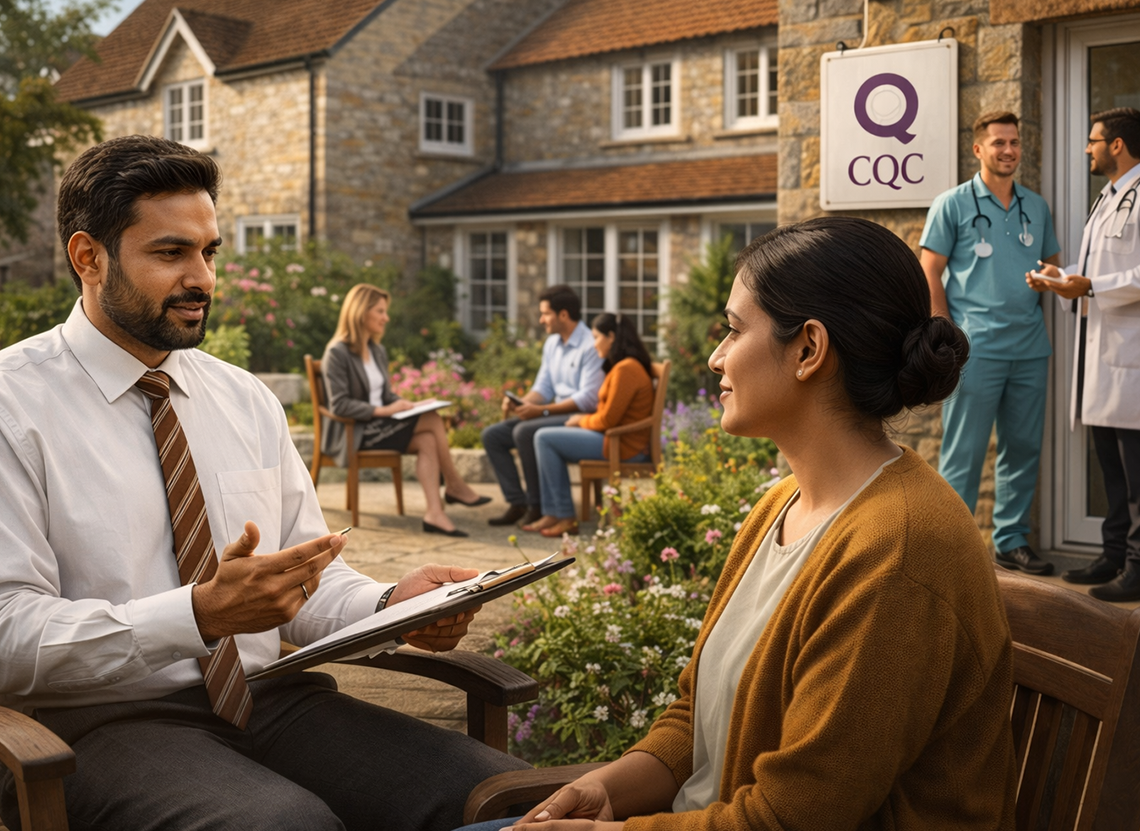
3. Qualified, Experienced Clinical Team
Credentials matter. The team should include psychiatrists, addiction counsellors, therapists, and medical staff experienced in substance use disorders and mental health. Ask about the team's qualifications before committing to any programme.
4. Trauma-Informed Approach
Many people who develop addiction have experienced significant trauma. A trauma-informed rehab understands this connection and creates a safe, non-judgmental environment where healing, not just sobriety, can occur.
5. Continuing Care & Relapse Prevention
Recovery doesn't end when residential treatment ends. The best programmes invest heavily in continuing care planning, relapse prevention strategies, and ongoing support because the first year after treatment is often the most vulnerable.
Why Samarpan Recovery Has Become a First Choice for UK Families
Samarpan Recovery is a premium, trauma-informed residential rehabilitation centre located in India. It was designed from the ground up to provide an exceptional standard of care, one that many of England's best private rehabs would struggle to match.
1. A Genuinely Holistic Clinical Programme
At Samarpan, treatment integrates psychiatric care, individual and group therapy, trauma processing, CBT, DBT, mindfulness, and family therapy into a cohesive, personalised programme. There are no cookie-cutter approaches here. Each person's treatment plan is tailored to their specific history, co-occurring conditions, and recovery goals.
2. Dual Diagnosis Expertise
Samarpan specialises in treating addiction alongside co-occurring mental health conditions. This isn't an add-on service; it is central to the programme's design. The clinical team understands that lasting recovery requires addressing the whole person.
3. Trauma-Informed at Every Level
The entire therapeutic environment at Samarpan is built around trauma-informed principles. This means every interaction from assessment to therapy to daily life at the centre is designed to build safety, trust, and genuine healing rather than simply managing symptoms.
4. A World-Class Environment for Recovery
The centre is set in a serene, nature-based environment, a stark contrast to the clinical settings many English rehabs offer. The peaceful surroundings are not an aesthetic luxury; they are a therapeutic tool, supporting nervous system regulation and genuine psychological rest.
5. Exceptional Value Without Compromise
Comprehensive residential treatment at Samarpan costs a fraction of equivalent programmes in England without cutting corners. Families can access a full clinical programme, expert staff, and a premium environment at costs that make long-term, thorough treatment genuinely accessible.
6. Continuity of Care
Samarpan's commitment to recovery extends well beyond the residential programme. Structured continuing care, alumni support, family guidance, and relapse prevention planning are all integral parts of the Samarpan model because the team understands that what happens after discharge is just as important as what happens during treatment.
Signs It’s Time to Seek Residential Rehab
Recognising when addiction requires a higher level of care can be difficult. Many individuals and families hope that determination, outpatient therapy, or short breaks from substance use will be enough. However, certain patterns suggest that a structured, residential setting may offer the safety and intensity needed for meaningful recovery.
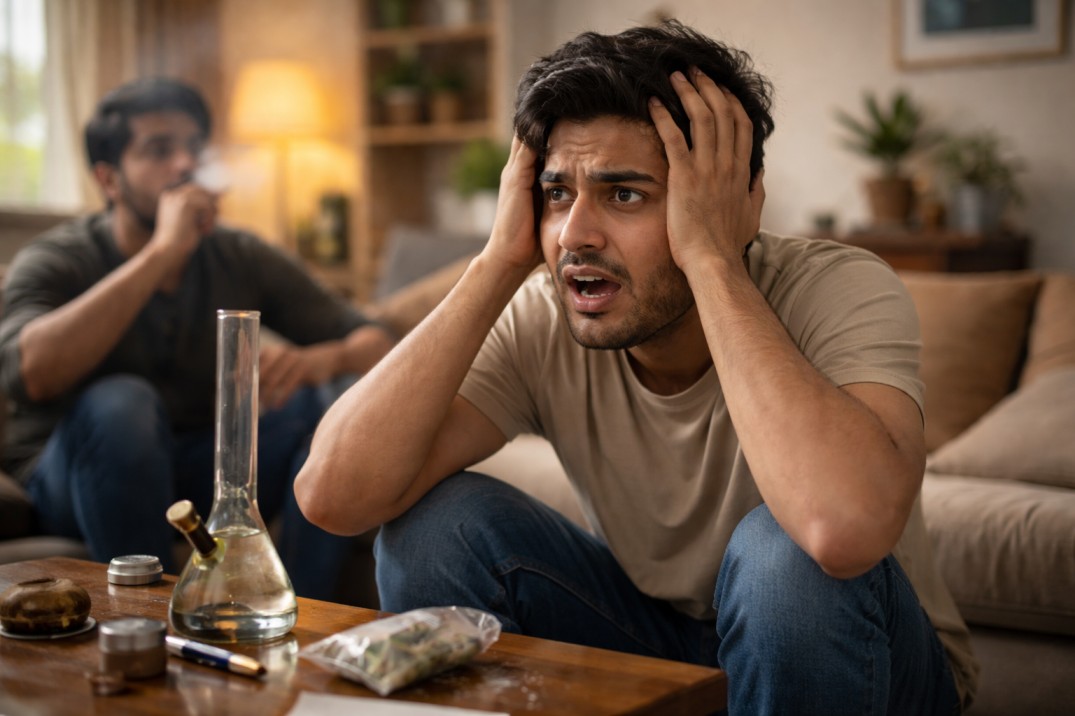
1. Repeated Attempts to Quit Have Not Worked
If you have made multiple sincere efforts to stop or reduce substance use but find yourself returning to old patterns, it may signal that the addiction has moved beyond self-managed control. Relapse does not reflect weakness; it often indicates that deeper psychological, emotional, or physiological factors are at play.
Residential rehab removes everyday triggers and distractions, creating a focused environment where recovery becomes the primary priority rather than something attempted alongside daily stressors.
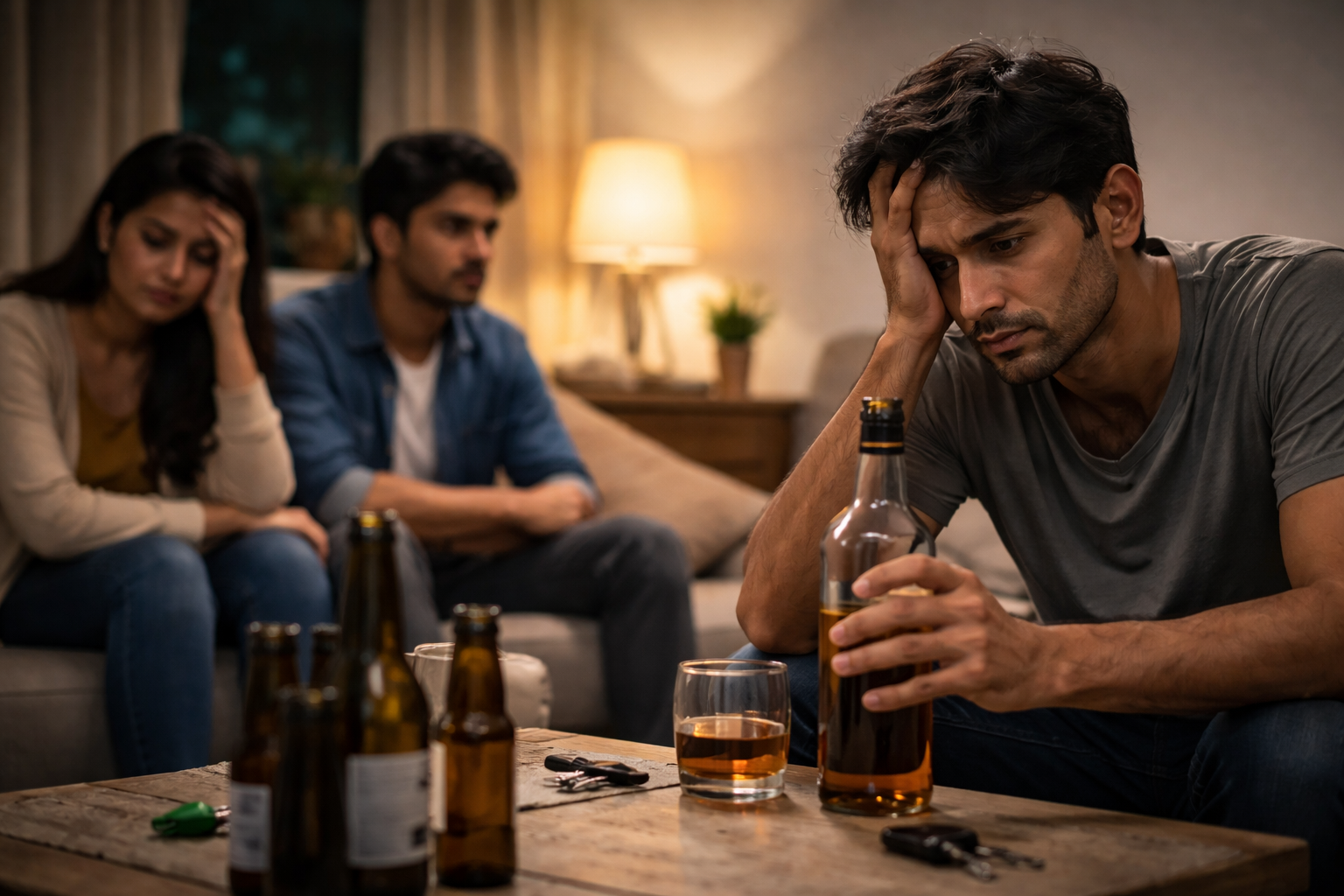
2. Withdrawal Symptoms Feel Unsafe or Unmanageable
Substances such as alcohol, opioids, and certain medications can cause significant withdrawal symptoms. These may include intense cravings, severe anxiety, tremors, insomnia, nausea, or even life-threatening complications in some cases.
When withdrawal feels physically dangerous or emotionally overwhelming, medically supervised detox within a residential setting ensures safety, comfort, and professional monitoring. This level of care significantly reduces health risks and improves the chances of completing the early stages of recovery.
3. Mental Health Has Significantly Deteriorated
Substance use and mental health conditions often develop together. Depression, anxiety disorders, trauma-related symptoms, or mood instability may worsen over time, especially when substances are used to cope.
If emotional distress has intensified, such as persistent hopelessness, irritability, panic attacks, or severe mood swings, residential rehab offers integrated treatment. This means both addiction and underlying mental health concerns are addressed simultaneously through therapy, medication management (if needed), and structured support.
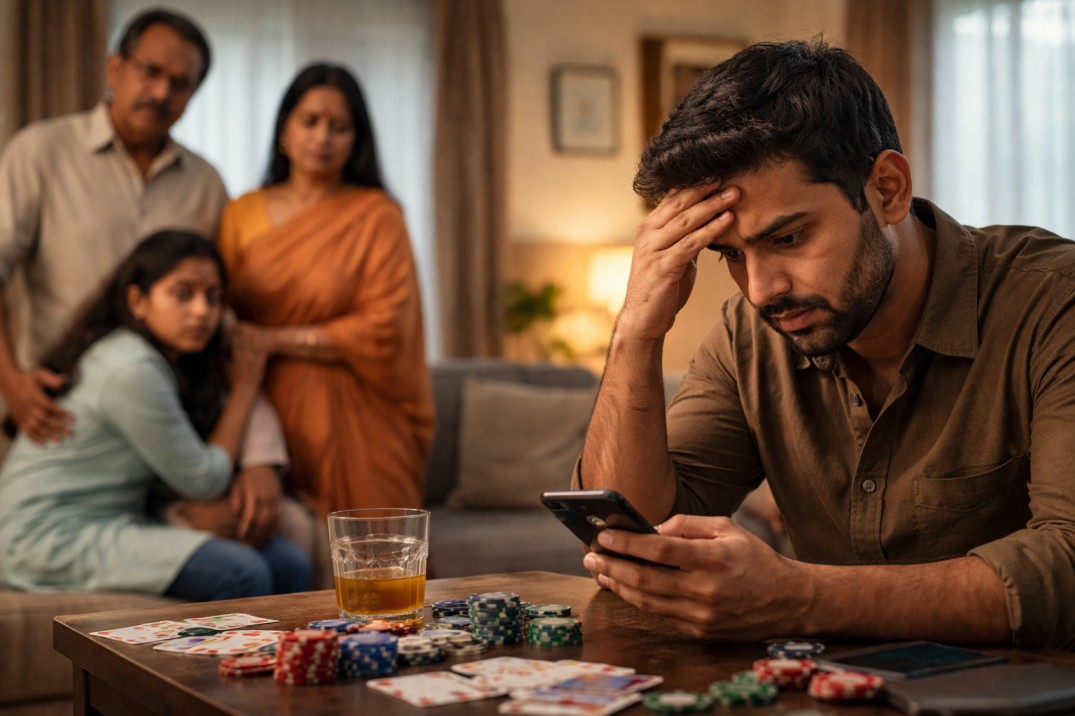
4. Relationships, Work, or Health Are Seriously Affected
Addiction rarely remains isolated. Over time, it can disrupt family dynamics, strain friendships, reduce work performance, and lead to physical health complications.
When trust has eroded, responsibilities are being neglected, or health problems are escalating, it often signals that the situation requires more than occasional counselling sessions. Residential rehabilitation provides distance from harmful patterns and the opportunity to rebuild stability before consequences become irreversible.
5. Unresolved Trauma Is Contributing to Substance Use
For many individuals, substance use becomes a coping mechanism for unresolved trauma, grief, or emotional pain. If past experiences continue to influence current behaviours and have never been processed in a safe therapeutic setting, outpatient care may not provide sufficient depth or consistency.
Residential programs often incorporate trauma-informed therapies, offering structured, sustained emotional support in a secure environment where healing can begin safely.
What to Expect from Treatment at Samarpan
1. Comprehensive Assessment
Every individual arrives at Samarpan with their own story, history, and needs. A thorough clinical assessment covering physical health, mental health, trauma history, substance use, and social context forms the foundation of each personalised treatment plan.
2. Medical Detox (Where required)
For those who need it, medically supervised detoxification is available, ensuring the process is as safe and comfortable as possible before deeper therapeutic work begins.
3. Intensive Individual & Group Therapy
A rich schedule of individual therapy sessions, group work, and psychoeducation forms the core of daily life at Samarpan. Evidence-based approaches, including CBT, DBT, and trauma-focused therapies, are woven throughout.
4. Family Involvement
Addiction affects everyone close to the person struggling. Samarpan actively involves families in the recovery process through family therapy and guidance, helping to rebuild trust and create a supportive home environment for when treatment ends.
Conclusion
Finding the best rehab for yourself or someone you love is one of the most important decisions you may ever make. The right environment, the right clinical team, and the right therapeutic approach can make a profound difference to the trajectory of recovery.
While England has options, a growing number of families are discovering that Samarpan Recovery in India offers something rare: a genuinely world-class residential programme that combines clinical excellence, trauma-informed care, and a healing environment at a cost that makes real recovery truly accessible.
If you or your loved one is ready to take the first step, speaking to a professional can open the door to a very different future. Recovery is not just possible with the right support; it is achievable.
Frequently Asked Questions
-
Is rehab abroad safe for someone from England?
Yes. Samarpan Recovery meets international standards of clinical care and has safely treated individuals from the UK and across the world. Families receive regular updates and are actively involved throughout.
-
How long does residential rehab typically last?
Most effective residential programmes run for a minimum of 28–90 days. The right duration depends on the complexity of the individual's situation, something the clinical team assesses carefully at intake.
-
Does Samarpan treat dual diagnosis?
Yes. Dual diagnosis treatment addressing addiction and co-occurring mental health conditions simultaneously is a core specialism at Samarpan, not an afterthought.
-
What happens after residential treatment ends?
Samarpan has a structured continuing care programme that includes ongoing support, relapse prevention planning, and alumni connection, designed to support the transition back to everyday life.
-
How does the cost compare to private rehab in England?
Comprehensive residential treatment at Samarpan is significantly more affordable than equivalent private rehab in England, without any compromise in clinical quality or environment.
-
Can families visit during treatment?
Family involvement is actively encouraged at Samarpan, and the team guides throughout on how families can best support their loved one's recovery.
-
Is Samarpan right for someone with severe trauma?
Samarpan is particularly well-suited to individuals with complex trauma histories. The entire programme is built on trauma-informed principles, with therapists experienced in trauma-focused approaches.