


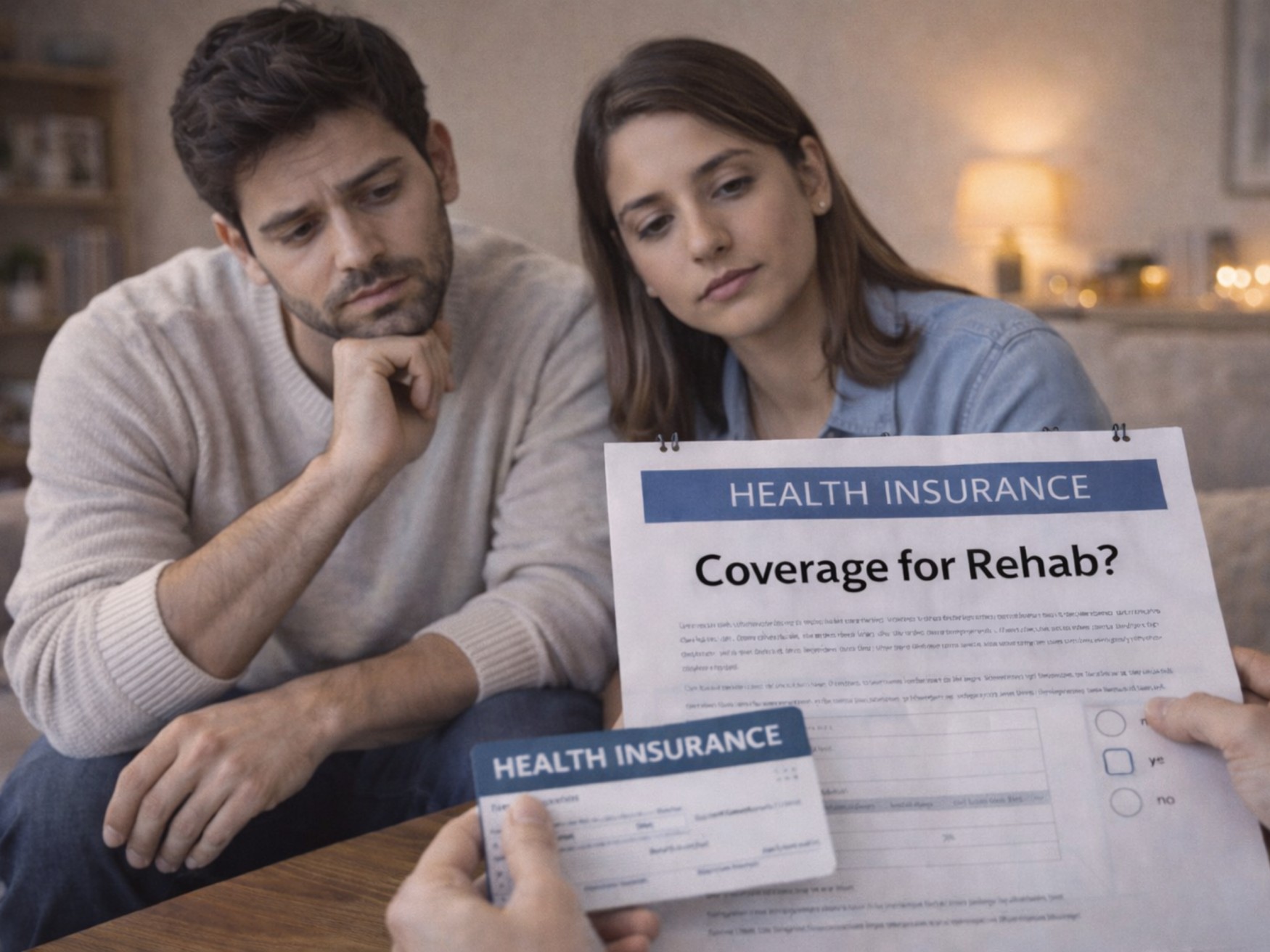



The short answer most people want is “yes.”
The accurate answer is “sometimes, conditionally, and never in the way you expect.”
In the United States, addiction treatment is officially recognised as healthcare. In practice, it is treated as a negotiable expense. Whether health insurance for rehab actually covers treatment depends less on medical need and more on how convincingly that need can be translated into administrative language.
This gap between recognition and access is where most people get stuck.
Why Rehab Coverage Exists on Paper but Fragments in Reality
Legally, addiction treatment falls under essential health benefits. The Affordable Care Act changed the landscape by requiring insurers to include substance use disorder treatment. That reform matters. It also created a false sense of certainty.
Coverage exists. Access does not always follow.
Insurance companies do not ask, “Does this person need rehab?”
They ask, “Can this need be justified within our coverage thresholds?”
That distinction shapes everything, from the cost of rehab after insurance to the length of stay you’re approved for.
What Types of Rehab Insurance Is Most Willing to Pay For
Most US insurance plans are far more comfortable paying for:
- Outpatient treatment
- Partial hospitalisation programs
- Medication-assisted treatment
- Short-term detox
These are predictable. They are cheaper. They are easier to audit.
Longer inpatient or residential care, particularly alcohol addiction rehab or opioid treatment, triggers scrutiny. Not because it’s unnecessary, but because it’s expensive.
This is where the phrase “medically necessary” becomes a battleground.
Why Coverage Limits Feel Arbitrary (But Aren’t)
People often assume coverage decisions are random. They’re not. They’re actuarial.
Insurance providers build models around risk, recurrence, and cost containment. Addiction complicates those models. Relapse rates make insurers nervous. Long stays threaten budgets.
So coverage limits appear:
- Capped days
- Step-down requirements
- Repeated authorisations
- Sudden denials
This is why two people with identical diagnoses can receive entirely different approvals from different insurers.
It’s not personal. It’s structural.
Inpatient vs Outpatient: What Insurance Actually Supports
Yes, US health insurance covers inpatient and outpatient rehab programs, but not equally.
Outpatient treatment is considered sustainable. Inpatient treatment is treated as exceptional.
Residential rehab often requires:
- Documented failed outpatient attempts
- Physician justification
- Concurrent mental health diagnoses
- Acute risk markers
Without these, insurers may approve only partial care, even when full containment would be clinically preferable.
This is why “best” care and “covered” care are not always the same thing.
Opioid Rehab and Insurance: A Special Case
When people ask, “Does health insurance cover rehab for opioid addiction?” the answer is more nuanced.
Opioid treatment is more likely to be covered, but in a specific form.
Insurers strongly favour:
- Medication-assisted treatment
- Outpatient monitoring
- Brief stabilisation stays
Long-term residential opioid rehab is often questioned unless there is repeated relapse, overdose history, or co-occurring psychiatric risk.
Coverage reflects policy priorities, not always individual realities.
Why the “Best Health Insurance for Rehab” Is a Misleading Question
There is no universally best health insurance for rehab.
Plans vary by:
- State
- Employer
- Network
- Deductible structure
A plan that covers residential rehab generously in one state may restrict it entirely in another.
What matters is not the insurer’s brand, but:
- In-network facilities
- Authorisation processes
- Behavioural health carve-outs
This is why two people with the same insurance company can have opposite experiences.
The Real Cost of Rehab After Insurance
Even when rehab is “covered,” patients are rarely insulated from cost.
Out-of-pocket expenses may include:
- Deductibles
- Co-insurance
- Uncovered days
- Out-of-network charges
This is the reality of cost of rehab after insurance—coverage reduces burden, it does not eliminate it.
Families often discover this late, when decisions are already urgent.
Why People Feel Blindsided by Denials
Insurance systems are not designed for crisis decision-making. Addiction recovery often is.
When families seek treatment, they are already under strain. Navigating appeals, documentation, and approvals in that moment feels cruel—but it is routine.
Denials are not moral judgments. They are risk calculations.
Understanding that doesn’t make the process easier. It makes it less personal.
How to Check If Your Insurance Covers Rehab in the US
Before committing to treatment, verification matters more than reassurance.
To check coverage:
- Request a full behavioural health benefits summary
- Confirm in-network rehab facilities
- Ask specifically about inpatient days and authorisation requirements
- Clarify deductible and co-insurance obligations
Never rely on assumptions. Never rely on verbal assurances alone.
Paper governs access.
The Structural Reality People Don’t Want to Hear
Insurance coverage shapes recovery trajectories in the US more than clinical ideals do.
This doesn’t mean recovery is impossible. It means recovery often happens around systems, not because of them.
People who understand coverage early make better decisions. People who assume coverage exists often lose time.
FAQs
-
Does health insurance usually cover rehab treatment in the US?
Yes, but coverage varies widely in scope, duration, and conditions.
-
What types of addiction treatment are most insurance plans willing to pay for?
Outpatient care, medication-assisted treatment, and short-term stabilisation.
-
Why do coverage limits and approvals vary so much between insurance providers?
Because coverage is driven by cost models, not just clinical need.
-
Does US health insurance cover inpatient and outpatient rehab programs?
Both are covered, but outpatient treatment is far more readily approved.
-
How can someone check if their insurance plan covers rehab in the US?
By reviewing behavioural health benefits, network status, and authorisation requirements in writing.
How Samarpan Can Help
At Samarpan Recovery Centre, we frequently support international clients asking whether health insurance covers rehab in the US. The answer depends on the policy, diagnosis, and level of care, which is why guidance matters.
Many US plans do offer coverage for alcohol addiction rehab and may also cover opioid treatment under mental health and substance use benefits. However, limitations, approvals, and caps often affect the cost of rehab after insurance.
Samarpan helps clients and families understand how health insurance for rehab actually works in practice, including:
- What is reimbursable
- What requires pre-authorization
- Where out-of-pocket costs may arise
We regularly assist individuals in comparing plans often considered the best health insurance for rehab, clarifying coverage gaps, and planning treatment without financial surprises.
By combining clinical clarity with administrative support, Samarpan ensures that insurance questions do not become barriers to timely, effective recovery—allowing clients to focus fully on healing rather than paperwork or uncertainty.