


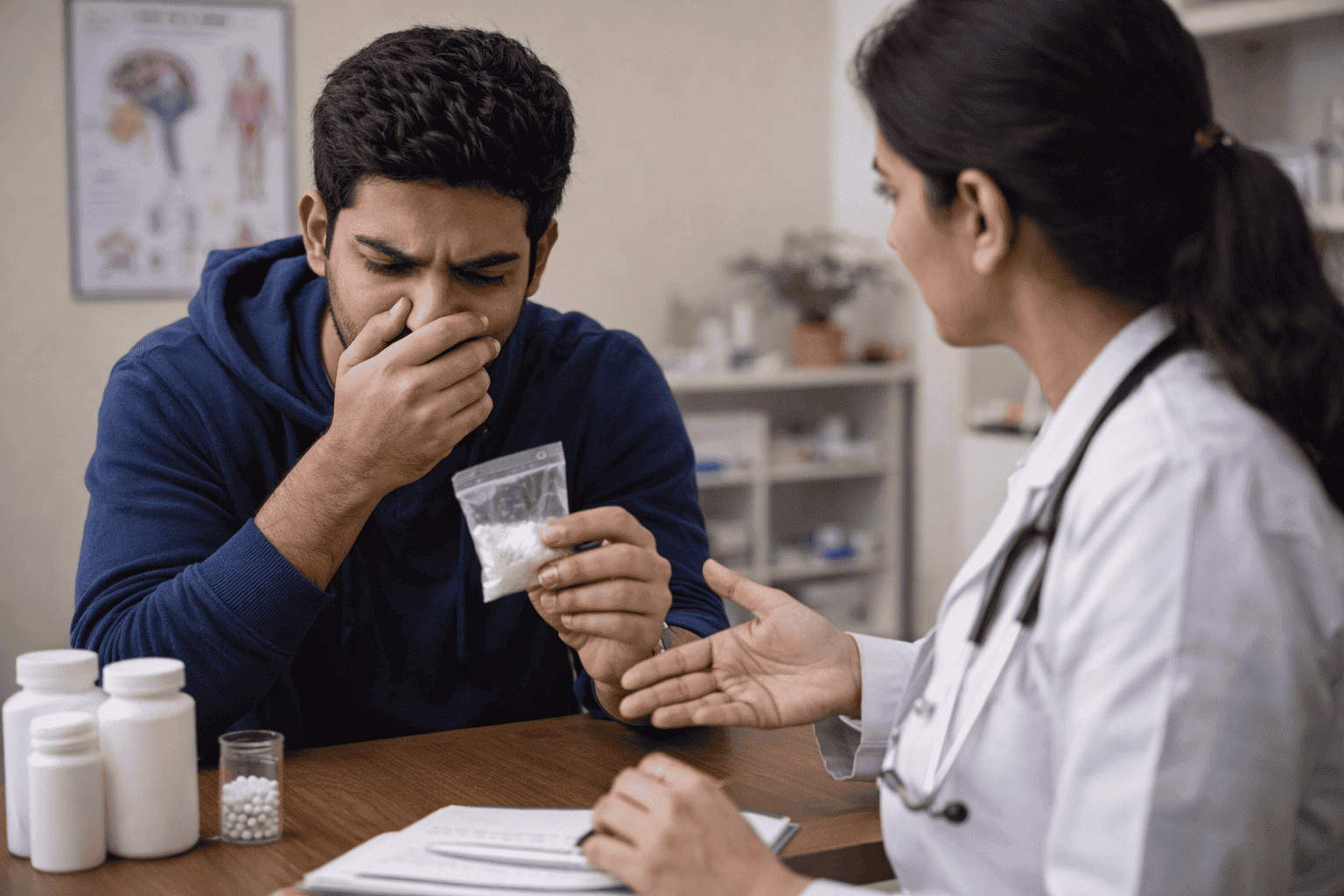



An opioid treatment program is frequently misunderstood as a room with a prescription pad and a clock. A place where medication is dispensed, names are called, and individuals quietly wait to be “fixed.” This caricature is not merely reductive; it is profoundly inaccurate. What actually transpires inside a well-structured opioid rehab setting is not passive sedation but meticulous recalibration. It is medicine, certainly. But it is also psychology, behavioural restructuring, accountability, and the gradual restoration of agency.
To understand what occurs inside an opioid treatment environment, one must first discard the notion that addiction is purely chemical. Opioids alter receptors, yes. They manipulate dopamine and endogenous opioid systems, yes. But they also colonize routine, decision-making, memory, and identity. An effective addiction treatment program addresses all of these territories.
The First Day in an Opioid Treatment Program
The first day inside an opioid treatment program is rarely dramatic. It is procedural, clinical, and deliberate. Assessment precedes intervention.
Medical professionals evaluate withdrawal severity, substance history, co-occurring conditions, and psychiatric vulnerability. For individuals entering opioid detox, stabilization is prioritized. The objective is not immediate abstinence through suffering; it is safe physiological regulation. Medications such as buprenorphine or methadone may be introduced depending on clinical indication. These are not substitutions of one dependency for another, as critics occasionally allege. They are evidence-based tools that reduce withdrawal severity, decrease cravings, and lower overdose risk.
The atmosphere is structured. Intake forms. Vital signs. Urine screens. Conversations that are frank but not theatrical. This is not moral theatre; it is medical protocol.
How an Opioid Treatment Program Is Planned
No reputable opioid rehab operates on uniform scripts. Individualized treatment planning is foundational. After assessment, clinicians construct a plan that integrates medication management, psychotherapy, behavioural goals, and relapse prevention strategies.
Co-occurring disorders are not ancillary concerns; they are central. Anxiety, depression, trauma histories,these are not decorative diagnoses. They are relapse accelerants if left untreated. In comprehensive drug addiction treatment, psychiatric evaluation is not optional.
Frequency of visits is determined by stability. Early phases may require daily attendance, particularly in medication-assisted treatment settings. As progress consolidates, schedules adjust. Structure gradually yields to autonomy.
Counselling: The Cognitive Reconstruction
Medication addresses neurobiology. Counselling addresses cognition.
Within a structured opioid treatment program, psychotherapy is not ornamental. It is indispensable. Modalities may include cognitive behavioral therapy, relapse prevention therapy, motivational interviewing, trauma-focused interventions, and group therapy.
The therapeutic work examines triggers,not abstractly, but concretely. What precedes use? Which thoughts appear? What emotional states precipitate craving? In structured sessions, clients learn to identify cognitive distortions and interrupt automaticity.
Group sessions introduce accountability and social recalibration. Individuals who believed themselves singular in their shame begin to perceive patterns that are shared. Isolation fractures.
The combination of medication and psychotherapy is not coincidental. Research consistently demonstrates that pharmacological support without counselling yields inferior outcomes compared to integrated care. Opioid addiction help that neglects psychological architecture is incomplete.
How Progress Is Measured in an Opioid Treatment Program
Progress inside an opioid treatment program is not measured solely by negative toxicology screens. While urine testing is common, it is not the only metric.
Clinicians evaluate attendance consistency, medication adherence, reduction in cravings, employment stability, relational repair, and emotional regulation. Progress is behavioural and psychological, not merely biochemical.
Relapse, when it occurs, is not treated as catastrophic failure but as diagnostic information. What variables shifted? Which coping mechanism failed? What distortion resurfaced? In structured addiction treatment, relapse analysis becomes a tool for refinement rather than condemnation.
Changes After Weeks in an Opioid Treatment
The early weeks of opioid detox and stabilization are physiologically demanding. Sleep may fluctuate. Mood may oscillate. Yet by the second or third week in a structured program, subtle recalibrations appear.
Cravings diminish in intensity and frequency with consistent medication management. Cognitive clarity returns incrementally. Decision-making slows down. Emotional reactivity softens.
Individuals often report something understated but profound: the return of ordinary boredom. This is not trivial. Boredom signals that survival panic has subsided. The nervous system is no longer in perpetual crisis.
Physical improvements are visible. Appetite stabilizes. Skin tone shifts. Eye contact becomes steadier. These are not cosmetic details; they are physiological indicators of systemic recovery.
Long-Term Recovery After an Opioid Treatment
An effective opioid treatment program does not aspire to indefinite dependency on clinical infrastructure. It gradually scaffolds independence. As stability increases, privileges expand. Take-home medication doses may be authorized. Therapy frequency adjusts.
The ultimate objective is not institutional reliance. It is self-regulation.
Recovery from opioid addiction is neither linear nor theatrical. It is iterative. Structured. Measured. It requires medical precision and psychological literacy. Inside a competent program, one does not merely abstain from opioids. One reconstructs cognitive sovereignty.
Frequently Asked Questions
-
What does the first day look like inside an opioid treatment program?
Initial intake includes medical assessment, withdrawal evaluation, psychiatric screening, and, if appropriate, medication initiation for stabilization.
-
How is treatment planned for each person in an opioid program?
Clinicians design individualized plans incorporating medication management, psychotherapy, relapse prevention, and monitoring based on medical and psychological needs.
-
What kind of counselling or therapy happens alongside medication?
Programs typically include cognitive behavioral therapy, motivational interviewing, trauma-informed therapy, and group counselling to address psychological drivers of addiction.
-
How is progress tracked during an opioid treatment program?
Progress is assessed through attendance, medication adherence, toxicology results, emotional regulation, behavioural stability, and overall functioning.
-
What changes do people usually notice after a few weeks in treatment?
Reduced cravings, improved mental clarity, better sleep, stabilized mood, and increased ability to manage daily responsibilities are commonly reported improvements.
How can Samarpan help?
Opioid dependence is not simply a habit; it is a neurobiological condition that alters pain pathways, reward systems, and emotional regulation. Entering an opioid treatment program can feel intimidating, especially when withdrawal symptoms and cravings feel overwhelming. At Samarpan, we approach opioid treatment with medical precision, psychological depth, and structured continuity of care.Our luxury opioid rehab facility in Mumbai and Mulshi begins with medically supervised opioid detox. Detoxification is carefully monitored by experienced physicians to manage withdrawal safely and reduce medical risk. Stabilisation is not rushed; comfort, safety, and dignity are prioritised throughout the process.However, detox alone does not constitute recovery. After stabilisation, clients transition into comprehensive addiction treatment that addresses the psychological and behavioural drivers of opioid use. Structured psychotherapy, relapse prevention planning, trauma-informed interventions, and psychiatric evaluation are integrated into each individualised care plan. For many, opioid dependence overlaps with chronic pain, unresolved trauma, or co-occurring mood disorders, all of which are assessed and treated concurrently.As part of broader drug addiction treatment, Samarpan provides individual therapy, group sessions, family counselling, and structured skill-building programmes designed to rebuild autonomy. Clients seeking opioid addiction help are guided through cognitive restructuring, emotional regulation training, and long-term relapse prevention strategies.What distinguishes Samarpan is the containment we provide. Recovery unfolds in a private, structured, and supportive setting rather than a chaotic clinical environment. Clients are not reduced to their substance history; they are supported as individuals rebuilding health, relationships, and self-trust.An effective opioid treatment program does not end with abstinence. It equips individuals with the psychological resilience and practical tools required for sustained recovery. At Samarpan, the focus is not only on stopping opioid use it is on restoring stability, clarity, and long-term wellbeing.