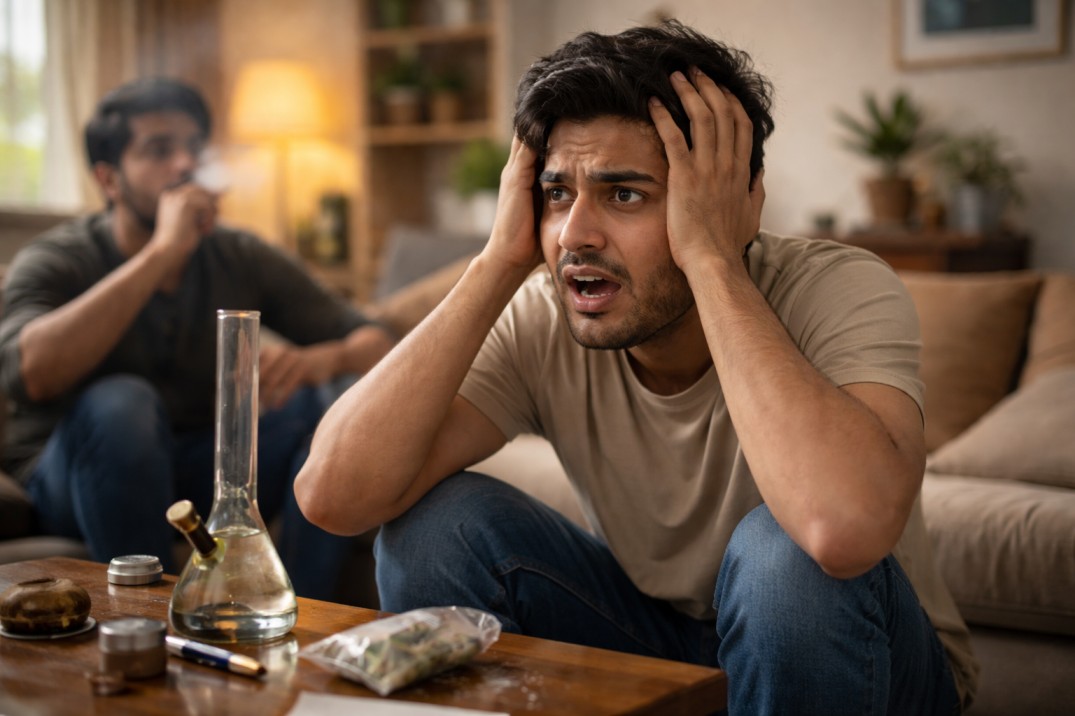






Most parents don’t arrive at the idea of residential teen rehab quickly. It usually comes after months , sometimes years , of trying to interpret behaviour that no longer fits the child they thought they knew. What begins as moodiness or withdrawal slowly takes on a different texture. There are shifts in temperament, secrecy where there wasn’t any before, academic decline that doesn’t match ability, or a growing sense that something is wrong but unnamed.
By the time parents start searching for a teen rehab center, they are rarely panicking. More often, they are exhausted. Confused. Quietly afraid they’ve missed something essential.
This stage deserves seriousness, not alarmism.
When “Normal Teen Behaviour” Stops Being the Right Explanation
Adolescence is volatile by nature. Emotional fluctuation, experimentation, irritability , none of these automatically signal pathology. The difficulty lies in recognising when experimentation hardens into coping, and coping becomes dependence.
What often distinguishes a teen who is struggling from one who is simply growing is rigidity. Patterns begin to repeat. Behaviour narrows. Emotional range shrinks.
Parents often describe noticing:
- increased secrecy or defensiveness
- withdrawal from previously valued relationships
- sudden changes in sleep or appetite
- sharp drops in motivation or engagement
- persistent irritability or emotional flatness
These signs don’t always mean substance use, but they do suggest distress that is no longer self-correcting.
What Residential Teen Rehab Actually Is (and Isn’t)
Residential teen rehab is frequently misunderstood as a last resort or a punitive response. In practice, it is a structured therapeutic environment designed to remove a young person from pressures they cannot yet regulate alone.
It is not discipline.
It is not punishment.
It is not a moral judgement.
A teen rehab treatment center provides stability when a young person’s internal regulation system is overwhelmed. That includes consistent routines, therapeutic support, and distance from environmental triggers that may be reinforcing harmful behaviour.
For many adolescents, home , however loving , has become emotionally loaded. Family dynamics, academic expectations, social pressures, or unresolved conflict can make healing difficult within the same environment.
Why Outpatient Support Isn’t Always Enough
Outpatient therapy works best when a young person can reflect, self-regulate, and integrate insight between sessions. Some teens can do this. Others cannot , not because they are unwilling, but because their nervous system is in constant activation.
In such cases, outpatient care becomes episodic relief rather than meaningful intervention.
Residential rehab for teens provides continuity. The absence of daily triggers allows therapy to move beyond crisis management and into actual developmental work.
What Happens Inside a Teen Residential Rehab Program
A quality teen rehab center is structured but not punitive. Days are predictable. Expectations are clear. Emotional safety is prioritised.
Treatment usually includes:
- individual therapy focused on emotional regulation and identity development
- group work to build social awareness and accountability
- academic support or continuity where appropriate
- family therapy to address relational patterns
- structured routines that restore rhythm and safety
The goal is not obedience. It is capacity.
Teens are not taught to comply , they are supported in understanding themselves well enough to make different choices.
Why Parents Often Feel Guilt , and Why It’s Misplaced
Many parents carry a quiet belief that needing teen drug rehab means they have failed. This belief is not supported by developmental psychology.
Adolescence is a period of neurological volatility. Impulse control, risk assessment, and emotional regulation are still developing. External stressors , academic pressure, social comparison, digital exposure , amplify this instability.
Seeking structured support is not an admission of failure. It is an acknowledgement that development sometimes requires scaffolding.
How Residential Rehab Supports Long-Term Growth
When effective, residential rehab does not aim to “fix” a teen. It aims to stabilise, understand, and equip.
Young people leave with:
- greater emotional literacy
- improved impulse awareness
- tools for managing distress
- a clearer sense of identity
- healthier relationships with authority and autonomy
Importantly, families are often part of this process. Healing does not occur in isolation.
When Residential Teen Rehab Is Worth Considering
Parents often consider teen residential rehab when:
- substance use persists despite intervention
- emotional distress escalates or becomes unmanageable
- safety becomes a concern
- school refusal or disengagement intensifies
- family dynamics feel chronically strained
Choosing residential care is not about giving up control , it’s about choosing containment over chaos.
FAQs
-
What is residential rehab for teens?
It is a structured therapeutic environment where adolescents receive intensive psychological and emotional support away from daily stressors.
-
How do I know if my teen needs residential rehab?
When behaviours persist despite support, escalate in severity, or begin to compromise safety, functioning, or development, residential care may be appropriate.
-
How can I support my teen during their time in residential rehab?
By remaining emotionally available, participating in family sessions, and resisting the urge to control the process. Stability and consistency matter more than perfection.
-
What happens after my teen completes residential rehab?
Most programs offer step-down planning, outpatient support, and family guidance to help integrate progress back into daily life.
How can Samarpan help?
At Samarpan Recovery Centre, residential rehab for teens is designed with deep sensitivity to the emotional, psychological, and developmental needs of young people struggling with drug addiction or early patterns of substance use. Adolescence is a vulnerable phase, and many teens experience emotional overwhelm, peer pressure, academic stress, or identity confusion that can quietly lead to substance use and, over time, substance withdrawal symptoms. Our approach focuses on mental health awareness, early intervention, and compassionate structure rather than punishment. At Samarpan, teens receive age-appropriate drug addiction therapy and de-addiction therapy, along with family involvement, emotional regulation skills, and academic reintegration support. When needed, we provide safe medical care for alcohol withdrawal, alcohol withdrawal relief symptoms, and supervised alcohol detoxification, ensuring physical stability alongside emotional healing. As a trusted drug recovery center, we also integrate nutrition support and supplements for recovery to restore physical health and brain balance. Samarpan creates a safe, nurturing environment where adolescents can rebuild confidence, develop coping skills, and return to life with clarity, resilience, and long-term support.