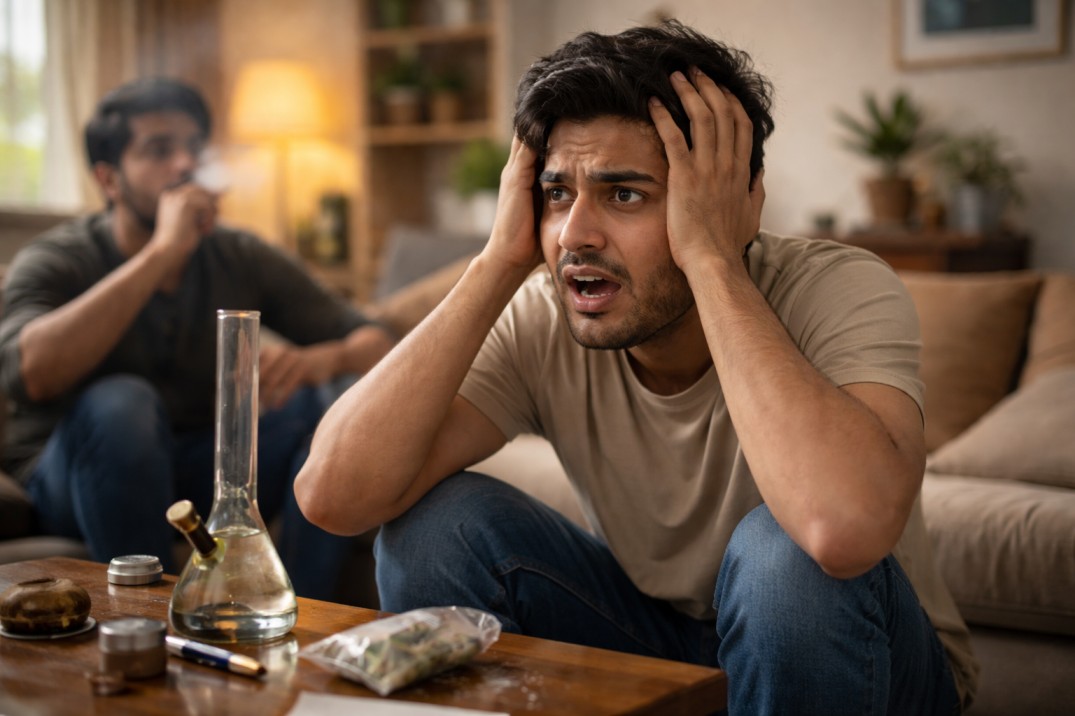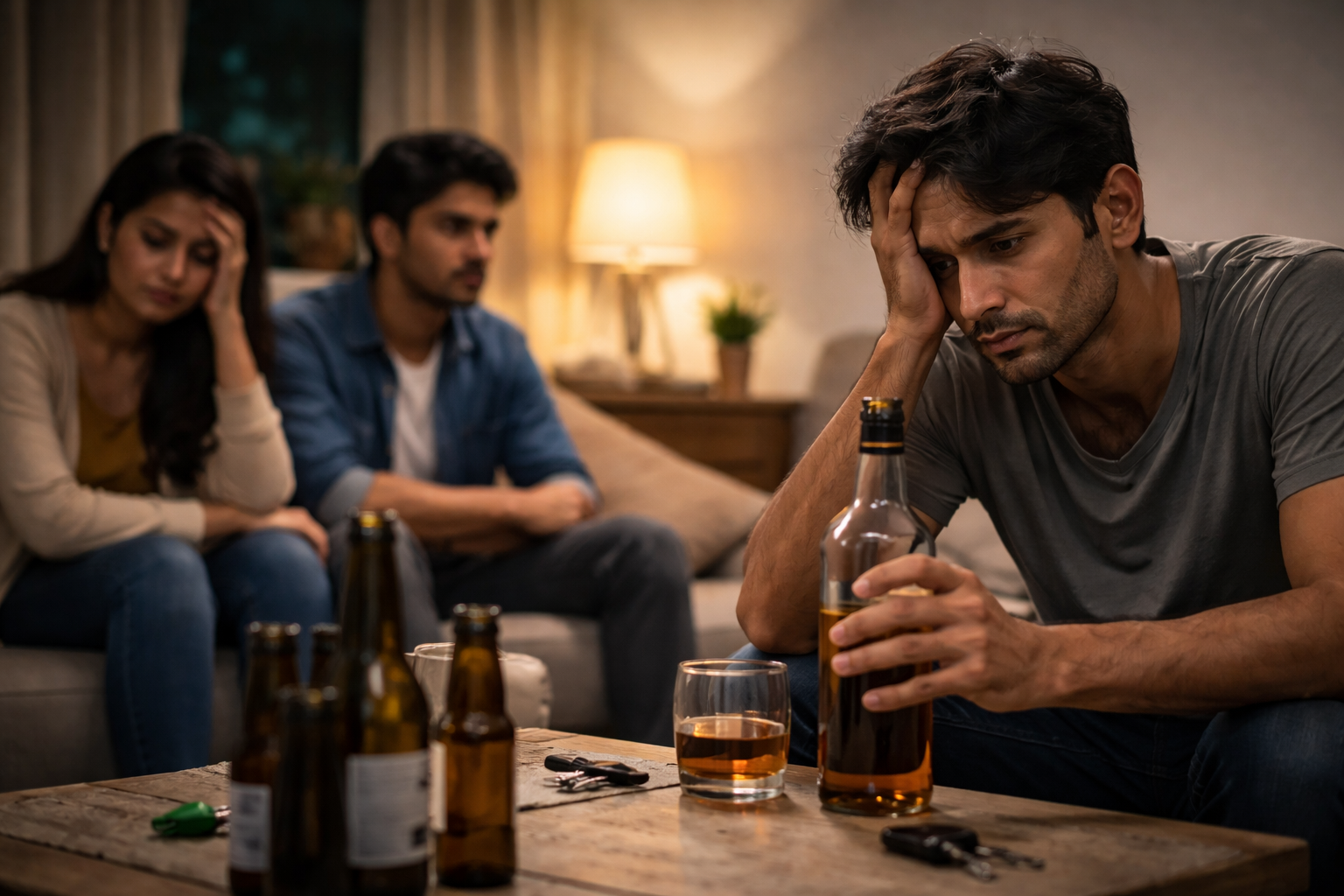


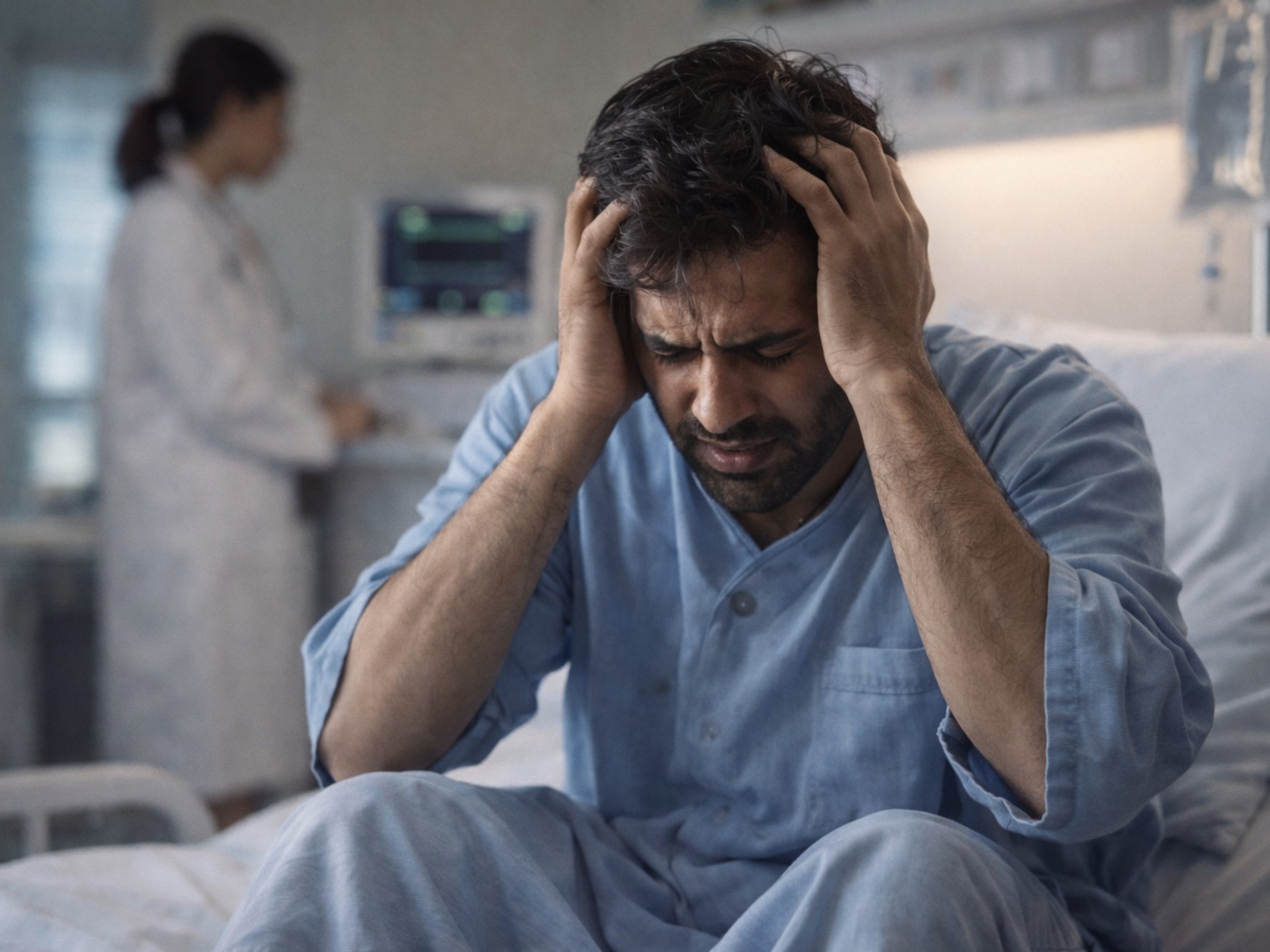



Withdrawal is routinely described as discomfort. This is inaccurate and, frankly, dangerous. Withdrawal symptoms are not a mood shift or a rough patch; they are the body renegotiating equilibrium after prolonged chemical adaptation. The first seventy-two hours are not symbolic. They are biologically consequential. What happens during this window determines whether the nervous system stabilises, escalates, or destabilises into medical crisis.
Understanding this period requires abandoning vague language and looking directly at what the body is doing , and why.
What “Withdrawal Symptoms” Actually Mean
The withdrawal symptoms meaning is often diluted into something manageable-sounding. In reality, withdrawal is the consequence of neuroadaptation. Substances that depress, stimulate, or modulate the central nervous system force the brain to recalibrate its baseline functioning. When the substance is removed abruptly, the brain does not return to normal. It overshoots.
This overshoot is withdrawal.
Whether we are speaking about withdrawal symptoms of drugs or withdrawal symptoms alcohol, the mechanism is the same: the nervous system has been trained to rely on an external regulator. When that regulator disappears, internal systems struggle to compensate.
The First 24 Hours: Nervous System Shock
In the initial phase, the body enters a state of alarm. This is not psychological panic. It is physiological destabilisation.
Common early symptoms include:
- tremors
- sweating
- nausea
- anxiety
- elevated heart rate
- insomnia
In alcohol-specific cases, alcohol withdrawal symptoms often begin within six to twelve hours after the last drink. The brain, having suppressed excitatory pathways for months or years, suddenly releases them unchecked.
This is why the first day feels sharp rather than gradual. The body is not easing off; it is reacting.
Hours 24–48: Escalation, Not Relief
Many people assume symptoms will peak early and then subside. This assumption leads to premature confidence and, in some cases, medical danger.
Between twenty-four and forty-eight hours, withdrawal often intensifies. This is particularly true for withdrawal symptoms alcohol.
At this stage, symptoms may include:
- severe agitation
- hallucinations
- disorientation
- elevated blood pressure
- worsening tremors
- seizures (in severe cases)
This is why alcohol withdrawal symptoms treatment is not optional in moderate to severe dependence. The body is not “detoxing.” It is attempting to restore balance under strain.
Withdrawal Symptoms Between 24–48 Hours
The third day is often the most misunderstood. People expect clarity. What they get instead is volatility.
During this period, the brain is still recalibrating neurotransmitter systems. Dopamine, GABA, glutamate , none have settled. The nervous system oscillates between hyperarousal and collapse.
Symptoms can include:
- confusion
- paranoia
- profound anxiety
- sleep disruption
- intense cravings
In alcohol withdrawal, this is the window in which delirium tremens may emerge , a medical emergency, not a psychological event.
This is why the question “how many days withdrawal symptoms last” cannot be answered cleanly. The acute phase may stabilise after seventy-two hours, but neurological recalibration continues well beyond that.
Why Withdrawal Feels Mentally Overwhelming
Withdrawal is not only physical. It dismantles psychological scaffolding.
Substances suppress stress signals. When removed, those signals return amplified. This is why people experience panic, despair, or intrusive thoughts that feel disproportionate.
These are not revelations. They are neurochemical rebounds.
Understanding this matters because people often interpret withdrawal distress as evidence of personal failure. It is not. It is physiology.
Can Withdrawal Symptoms Be Managed at Home?
This is one of the most common and most dangerous questions.
How to manage alcohol withdrawal symptoms at home depends entirely on severity. Mild withdrawal may be manageable with supervision and medical guidance. Moderate to severe withdrawal should never be self-managed.
Attempting to “control” severe withdrawal without medical support increases the risk of seizures, cardiac complications, and relapse.
Withdrawal does not reward stoicism. It punishes miscalculation.
Managing Withdrawal Symptoms Safely
When people ask how to deal with withdrawal symptoms or how to overcome withdrawal symptoms, the answer is not willpower.
Effective management includes:
- medical monitoring
- hydration and electrolyte balance
- controlled medication when indicated
- reduced sensory stimulation
- predictable routines
These are not comforts. They are stabilisers.
Withdrawal improves when the nervous system is protected from further shock.
Why Cravings Intensify During This Period
Cravings during withdrawal are not psychological weakness. They are homeostatic signals.
The brain is seeking the fastest route back to equilibrium. Substances represent a known solution. This is why cravings peak during acute withdrawal.
Understanding this reframes craving as information, not instruction.
What Happens After 72 Hours of Withdrawal Symptoms?
After the initial seventy-two hours, acute symptoms often begin to ease , but recovery does not complete itself.
Sleep remains fragmented. Mood remains unstable. Stress tolerance remains low. This phase is where relapse risk shifts from physical distress to emotional vulnerability.
This is why withdrawal management without follow-up support often fails. The body stabilises first. The psyche follows later.
Withdrawal Is a Medical Event, Not a Moral One
The insistence on framing withdrawal as a test of character has caused more harm than any substance ever did.
Withdrawal is a predictable biological response to sustained exposure. Treating it with seriousness rather than judgment saves lives.
FAQs
- What are withdrawal symptoms?
They are physiological and psychological reactions that occur when the body loses a substance it has adapted to. - How to control alcohol withdrawal symptoms?
Through medical supervision, gradual stabilisation, and appropriate treatment , not willpower. - How many days do withdrawal symptoms last?
Acute symptoms often peak within 72 hours, but full neurological adjustment takes longer. - How to deal with withdrawal symptoms safely?
By seeking medical guidance and avoiding abrupt, unsupported cessation. - How to manage alcohol withdrawal symptoms at home?
Only mild cases should be managed at home, and only with professional advice.
How can Samarpan help?
At Samarpan Recovery Centre, we place strong emphasis on safely managing the most critical phase of recovery,the first 72 hours,when symptoms are often at their peak. Many people are unsure about the withdrawal symptoms meaning but this period can involve intense physical and psychological reactions as the body adjusts to the absence of substances. Whether it is for drugs or alcohol, the early hours can include anxiety, tremors, nausea, insomnia, agitation, and in some cases medical complications. Samarpan provides round-the-clock clinical monitoring and evidence-based alcohol withdrawal symptoms treatment to reduce risk and discomfort. Our medical team ensures safe detox protocols, hydration, emotional support, and medication when required, especially for complex cases. By combining medical supervision with therapeutic reassurance and mental health support, Samarpan helps clients stabilise safely, understand their symptoms without fear, and move into recovery with confidence rather than crisis.