Despite widespread cultural beliefs that cannabis cannot be truly addictive, cannabis use disorder is a recognised clinical condition that affects a significant proportion of regular users. For the individuals and families who have experienced the progressive tightening of cannabis dependency — the mounting anxiety without it, the inability to function or feel settled, the gradual withdrawal from life — there is nothing casual about it.
At Samarpan Recovery, India's only internationally accredited rehabilitation centre, we take cannabis dependency seriously and provide the same evidence-based, trauma-informed residential treatment to individuals with cannabis use disorder as we do for every condition we treat. Our clinical team understands that heavy cannabis use is rarely simply about the drug — it is almost always about something the person is trying not to feel.
Recovery from cannabis dependency requires understanding the emotional, psychological, and environmental factors that sustain the habit — and developing new, healthier ways to meet those underlying needs. At Samarpan, individuals receive the clinical depth, peer support, and compassionate guidance needed to build a fulfilling, cannabis-free life.
Cannabis use disorder develops when regular cannabis use creates changes in the brain's endocannabinoid system that drive compulsive use, tolerance, and withdrawal. Research indicates that approximately nine per cent of people who use cannabis will develop a dependency — a figure that rises significantly with daily use or use that begins in adolescence.
Cannabis works primarily through the brain's endocannabinoid system, affecting mood regulation, memory, appetite, and stress response. With chronic heavy use, the brain down-regulates its own endocannabinoid receptors — leaving the individual feeling anxious, irritable, and unable to sleep without the drug.
Cannabis dependency often develops gradually and may go unrecognised for years. The person using cannabis may believe they simply 'enjoy' it — until the day they try to stop and discover that they cannot do so without significant psychological discomfort. Recognising this as a clinical condition, not a personal weakness, is the first step toward getting help.

Cannabis dependency can be difficult to recognise because its development is gradual and its withdrawal symptoms are less dramatic than those of other substances. The following signs suggest a professional assessment is warranted.
Cannabis dependency arises from a combination of neurobiological, psychological, and environmental factors. Identifying these drivers shapes the personalised treatment approach at Samarpan Recovery.
Anxiety, depression, or chronic difficulty managing emotional distress
History of trauma or adverse childhood experiences
Using cannabis to manage social anxiety, stress, or interpersonal difficulties
Early onset of use in adolescence, when the developing brain is most vulnerable
Genetic predisposition to addiction
Peer environments in which daily cannabis use is normalised
Prolonged heavy cannabis use can have significant and lasting consequences for cognitive function, mental health, and overall quality of life. Professional treatment offers the most effective path to recovery and the best chance of preventing further harm.
Amotivational syndrome — persistent low drive, withdrawal from goals, and emotional flatness
Cognitive impairment affecting memory, concentration, and academic or professional performance
Worsening anxiety and depression with prolonged heavy use
Cannabis-induced psychosis in genetically vulnerable individuals
Respiratory problems associated with chronic smoking
Social withdrawal and a progressive narrowing of interests and relationships
Seeking professional treatment for marijuana addiction offers significant advantages compared to attempting recovery without support. At Samarpan Recovery, clients benefit from an internationally accredited, evidence-based programme delivered by a team with the clinical depth and human experience to support genuinely transformative recovery.
Medically supervised assessment and, where required, detoxification, Access to India's only CARF-accredited clinical team, Evidence-based therapies delivered by internationally qualified specialists, Personalised treatment plans designed for long-term, sustainable sobriety, A structured, trauma-informed recovery environment, Family involvement and therapeutic support throughout treatment, Comprehensive continuing care and post-discharge follow-up, Significantly lower risk of relapse compared to unassisted recovery attempts
The duration of marijuana addiction treatment varies according to the severity of the condition, overall health, history of previous treatment, and the individual's progress within the programme. At Samarpan, residential treatment options range from four weeks to thirteen weeks, allowing the programme to be matched to each person's clinical needs.
Many individuals benefit from longer residential stays, which allow for deeper therapeutic work and a more robust foundation for recovery. Following residential treatment, continuing care is provided through Samarpan Health — the outpatient centre in Mumbai — or online for clients based outside the city.
Ongoing counselling, relapse prevention support, and alumni connection remain important aspects of the recovery journey even after completing the residential programme. Recovery is not an event — it is a continuing process, and Samarpan is committed to walking that journey alongside each individual and their family.
Recovering from marijuana addiction can feel overwhelming, particularly without the right professional support. Samarpan Recovery provides a level of clinical excellence, human compassion, and programme rigour that is unmatched in India — and internationally recognised through our independent accreditations.
India's only CARF (Commission on Accreditation of Rehabilitation Facilities)-accredited rehabilitation centre — the global gold standard for clinical excellence, The first and only Gorski-CENAPS Centre of Clinical Excellence in Asia, recognising mastery in relapse prevention and trauma-informed care A multinational clinical team of certified psychiatrists, psychologists, psychotherapists, and complementary therapists trained in the US, UK, and India, A dedicated focal therapist assigned to every client from day one, All-inclusive residential programmes with no hidden costs, Comprehensive continuing care through the Samarpan Health outpatient centre in Mumbai, A serene, purpose-designed residential facility in the Sahyadri Hills, Mulshi, Pune — away from urban triggers and designed entirely around healing
Gambling addiction can feel all-consuming — for the person experiencing it and for the family who loves them. But recovery is possible. With the right clinical support, the right environment, and the right team, individuals can break free from the cycle of addiction and rebuild lives of purpose, connection, and lasting wellbeing.
At Samarpan Recovery, we approach every admission with compassion, confidentiality, and a deep commitment to the belief that every life matters and every journey is personal. Our admissions team — which is staffed by therapists, not salespeople — is available to speak with you or your family member without pressure and without obligation.
To speak with our team, call or WhatsApp +91 81809 19090, email admissions@samarpan.in, or visit www.samarpanrecovery.com. Taking the first step is often the hardest — but it is also the most important. We are here when you are ready.

Every treatment journey at Samarpan begins with a thorough medical and psychological evaluation conducted by our multidisciplinary clinical team. This assessment examines the severity of dependency, overall physical health, and any co-occurring mental health conditions — providing the foundation for a personalised treatment plan tailored precisely to the individual's needs. Within the first twenty-four hours of admission, clients undergo comprehensive blood work, organ function assessments, and an ECG. A dedicated focal therapist is assigned on day one, ensuring continuity of care from the very beginning of the treatment journey.
Cannabis withdrawal does not typically produce dangerous physical complications. However, the psychological and physical discomfort of the withdrawal period — including sleep disturbance, irritability, anxiety, and appetite changes — benefits from clinical support and monitoring. Our medical team conducts a thorough assessment at admission, addressing both the dependency and any co-occurring health conditions. The early stabilisation phase provides a safe, structured environment in which withdrawal discomfort can be managed. Sleep support, nutritional care, and complementary therapies such as yoga and mindfulness are offered from the outset to support physical and emotional stabilisation as cannabis use ceases.

Therapy is the cornerstone of Samarpan's treatment model. Through individual sessions with a dedicated focal therapist and structured group therapy, clients explore the psychological triggers, emotional patterns, and unresolved experiences that lie beneath the addiction — developing the self-awareness and practical skills needed for lasting change. Evidence-based therapeutic approaches delivered at Samarpan include: Cognitive Behavioural Therapy (CBT), Dialectical Behaviour Therapy (DBT), Individual therapy with a dedicated focal therapist, Interpersonal group therapy, Family therapy and education, Trauma-informed psychotherapy, Gorski-CENAPS Relapse Prevention Training, Psycho-educational workshops
Rehabilitation at Samarpan is focused on equipping individuals with the tools, strategies, and community connections needed to maintain sobriety and build a fulfilling life beyond addiction. Holistic and complementary therapies are woven throughout the programme to support physical, emotional, and spiritual wellbeing. Personalised recovery planning, Lifestyle and behavioural change strategies, Stress management and emotional regulation, Relapse prevention and trigger identification, Peer support and 12-Step facilitation, Art therapy, yoga, meditation, and wellness programming, Continuing care and post-discharge support
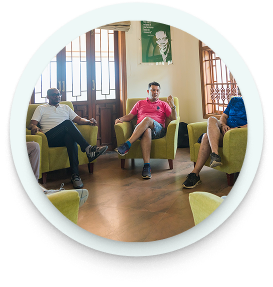

At Samarpan, we offer comprehensive and personalized drug treatment facilities designed to address both the physical and psychological aspects of ganja addiction. Our approach goes beyond abstinence, we focus on holistic healing, emotional well-being, and sustainable recovery.
If you or a loved one is experiencing marijuana
withdrawal symptoms, don't wait.

.png)